Type List-Head Protection Equipment
Prevent high-altitude falls and impact injuries to the head
Personal protective equipment (PPE) has a major limitation in that it cannot eliminate the relevant hazards from the source. When PPE fails and goes unnoticed, the risk increases dramatically. PPE can only be considered as the sole solution when other measures cannot be taken into account because no PPE can be 100% effective 100% of the time.
Workers are also required to be careful at all times when wearing PPE. Therefore, misuse and accidents can occur. When using PPE, proper selection of the PPE and monitoring of use conditions and applications required. Workers who need to use PPE should be trained.
If you want to make a program for using PPE effective, three factors need to be considered:
(1) Nature of The Hazard
Before choosing PPE, it is necessary to understand the details of the hazard, such as the type and concentration of pollution.
(2) Performance Data of the PPE
Information on the PPE’s ability to protect against specific hazards needs to be obtained from the manufacturer.
(3) Acceptable Level of Exposure to a Hazard
For some hazards, the only acceptable level is zero. For example, in the case of working with carcinogens or eye damage from flying objects.
When making the decision to use PPE and choosing the type of equipment, the following factors should be considered for proper use. These factors constitute a basic checklist for a well-thought-out plan for the use of PPE.
To ensure complete protection, proper fit is a must. Some personal protective devices are designed and sized within a limited range. There are also differences in the face shapes of different races. For example, face masks designed for Caucasians may not fit well on people of African descent. For the PPE itself, the adjustment range is limited.
Users must wear the PPE whenever there is a hazard, so the acceptance of the wearer is very important. If a product cannot be accepted for any reason, people will be reluctant to wear it, affecting their ability, focus and effort to complete work tasks.
Although comfort is a subjective indicator, users usually have consistent feelings and opinions.
Regular cleaning, inspection and maintenance are required to keep the equipment in usable condition.
Users and supervisors must understand its use restrictions, correct use methods, correct wearing methods and necessary maintenance methods. Such knowledge is necessary in order to achieve the desired level of protective effect.
This was raised in consideration of the practical issues of wearing personal protective equipment in a work environment. Some eye protection products may not match the ambient light, while some may not work well after wearing respiratory protection device. Such issues can be solved through proper selection.
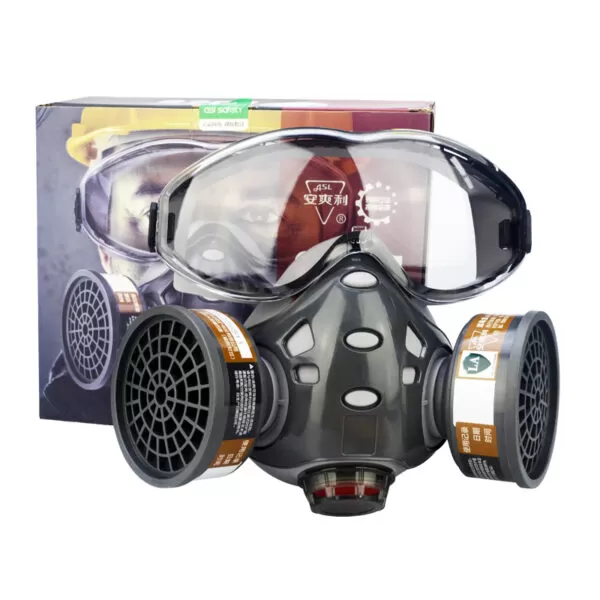
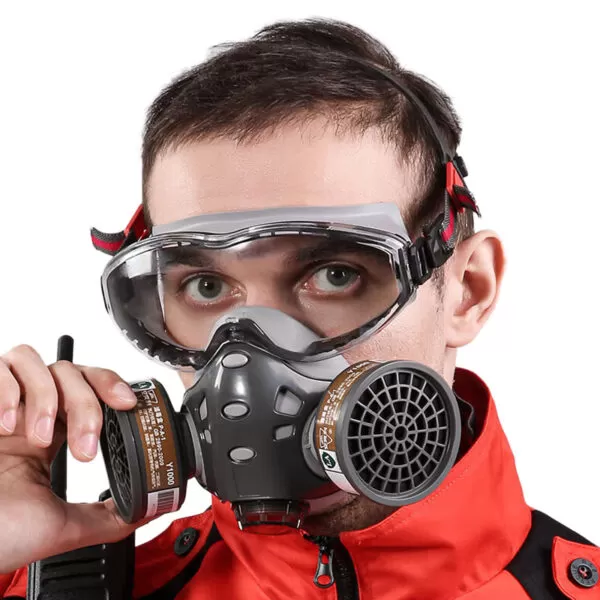
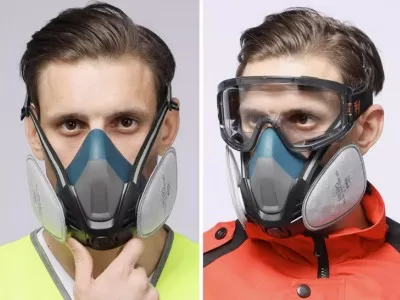
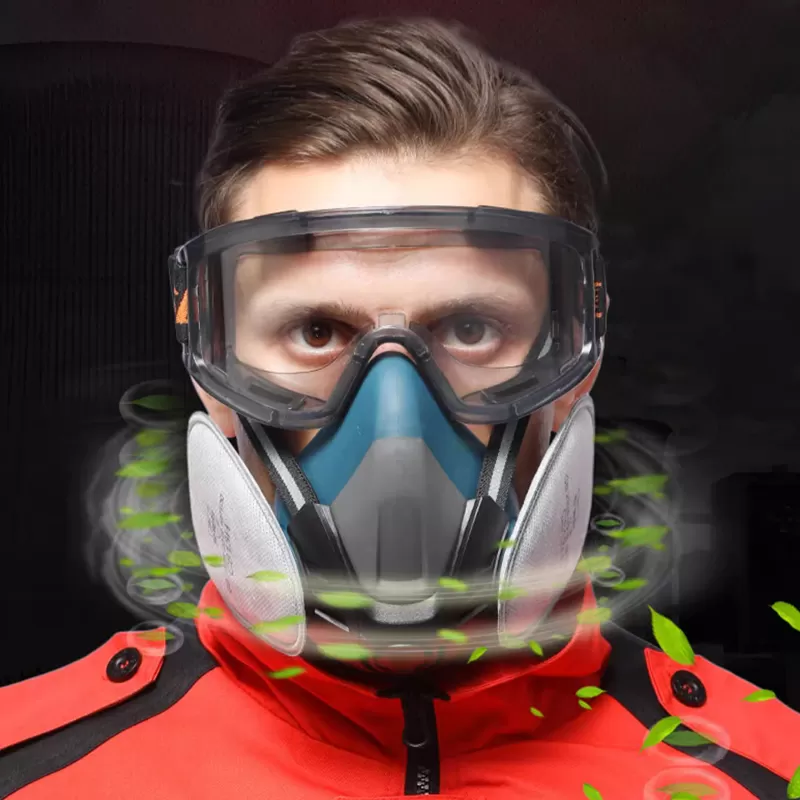
However, when selecting a single item of personal protective equipment, a comprehensive consideration is required, so that a combination of personal protective equipment can be selected. For example, a gas mask can be designed with eye protection in addition to respiratory protection.
This is a necessary clause in any kind of safety plan, especially for personal protective equipment, because it is the last line of defense against hazards. Any incident where a worker fails to comply with the requirement to wear PPE can lead to labor relations and policy disputes.
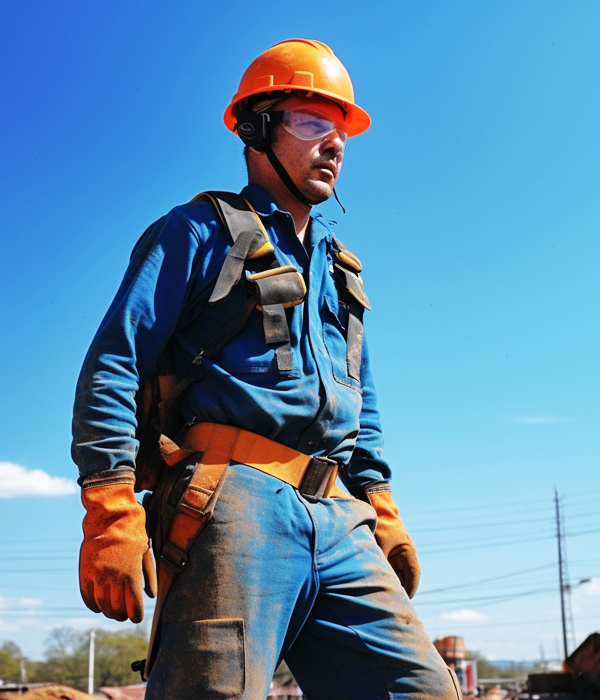
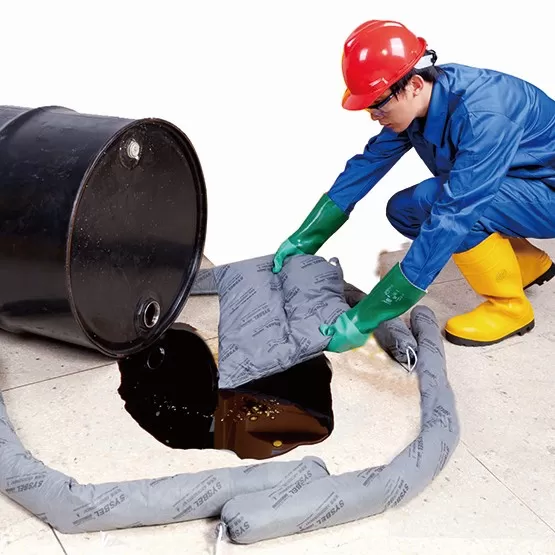
Different types of personal protective equipment have different functions, such as eye protection, hearing protection, respiratory protection, skin protection and common protective equipment such as protective clothing, protective shoes, protective gloves, safety harnesses, etc.
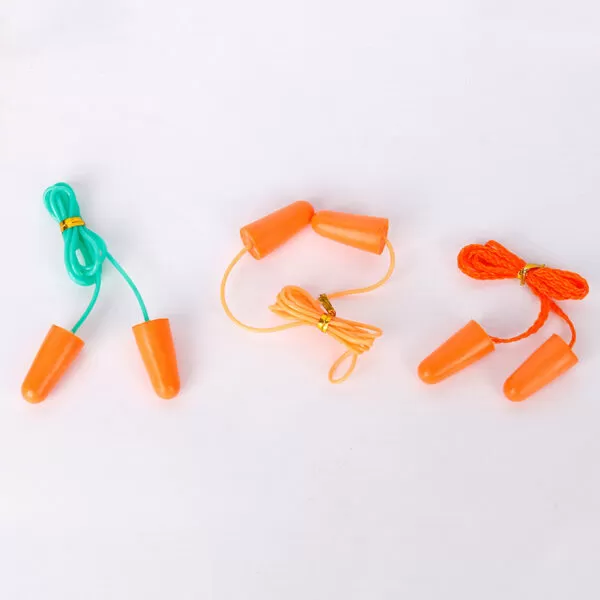
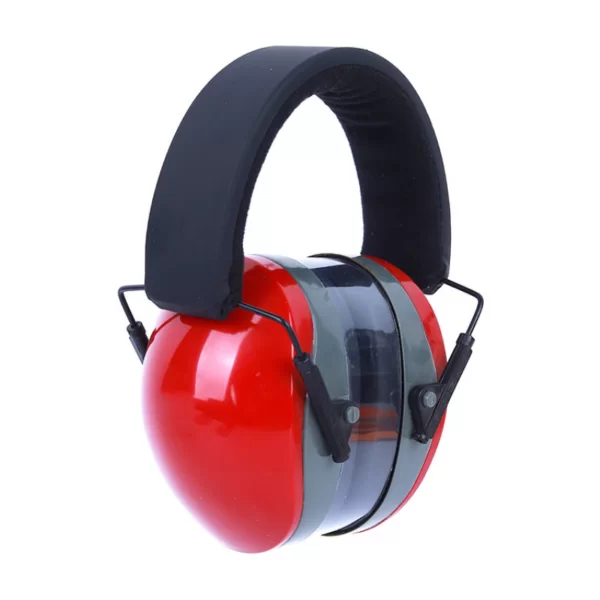
There are two main types of hearing protection devices: one is earplugs placed in the ear canal to prevent sound energy from entering; the other is earmuffs placed outside the outer ear to limit sound energy from entering the eardrum and middle ear through the outer ear and inner ear. It should be noted that neither of these two protective devices can prevent a considerable part of the sound energy from being transmitted to the auditory organs through the head.
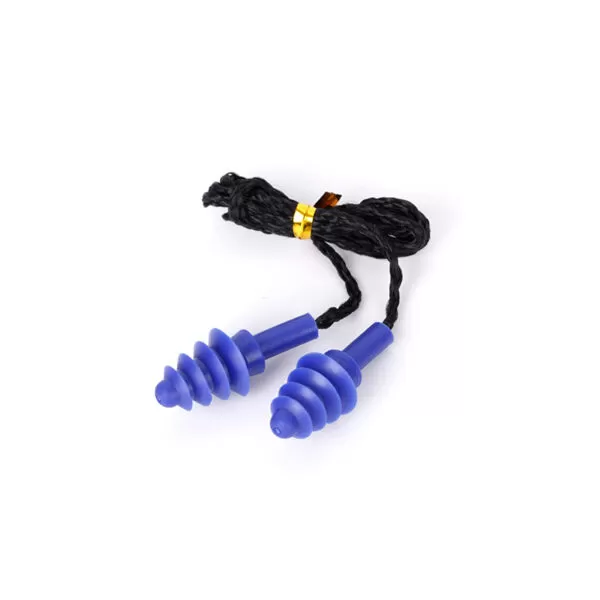
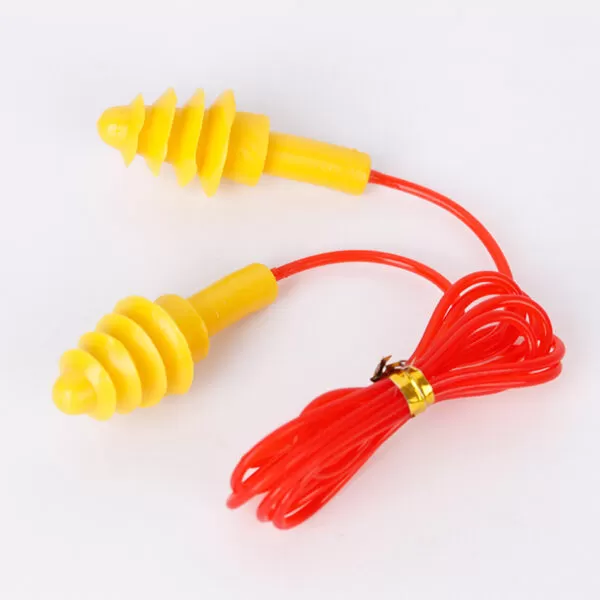
Earplugs can be placed in the ear canal, is made of resin foam or rubber, and can be discarded after use. There are also some types of earplugs that can be reused, but you must pay attention to industrial hygiene issues. For this reason, special attention should be paid to the cleaning of earplugs after use. In addition, it is important to use different size earplugs as ear canals vary in size between individuals. While earplugs come in several different sizes, it is up to qualified personnel to determine which size a wearer should use.
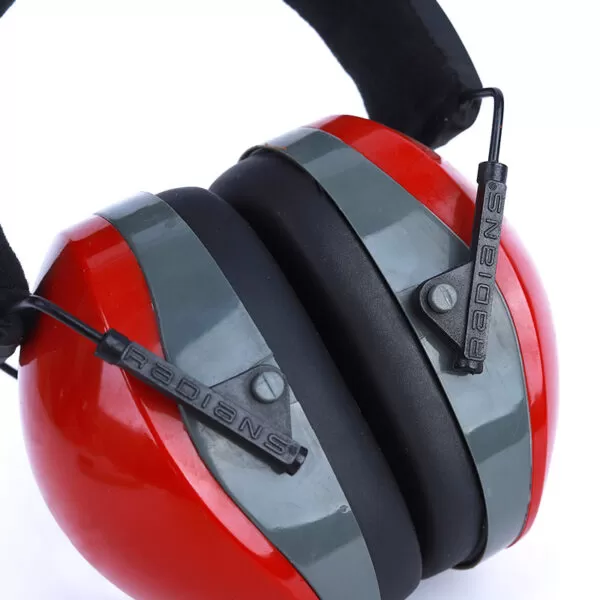
Earmuffs consist of two covers that cover the ears and a strap that rests on the brain for positioning. The covers are usually filled with resinous plastic foam to seal the ears. The enclosure is filled with sound-absorbing material. The seal of the earmuffs depends on the design of the earmuffs, the method of sealing and the tightness of the fit.
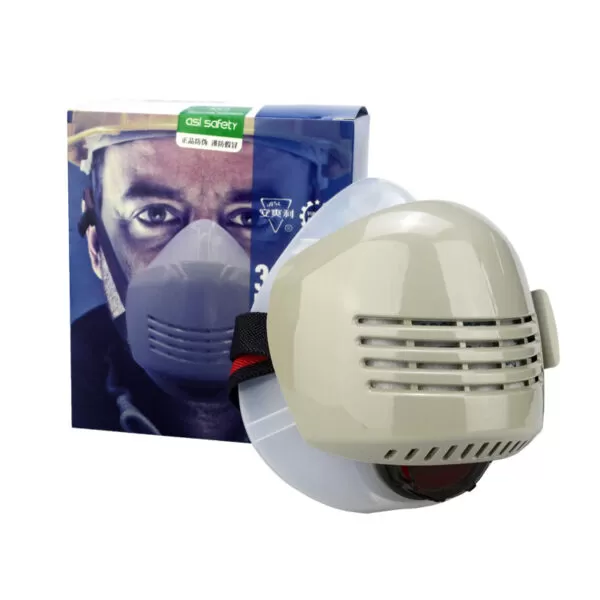
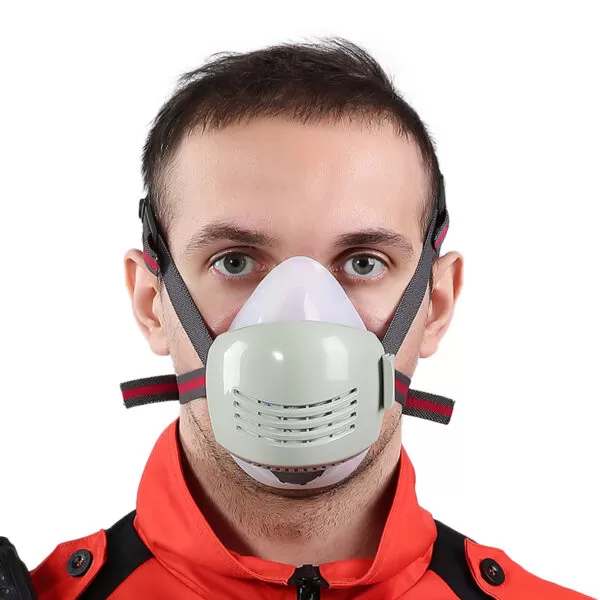
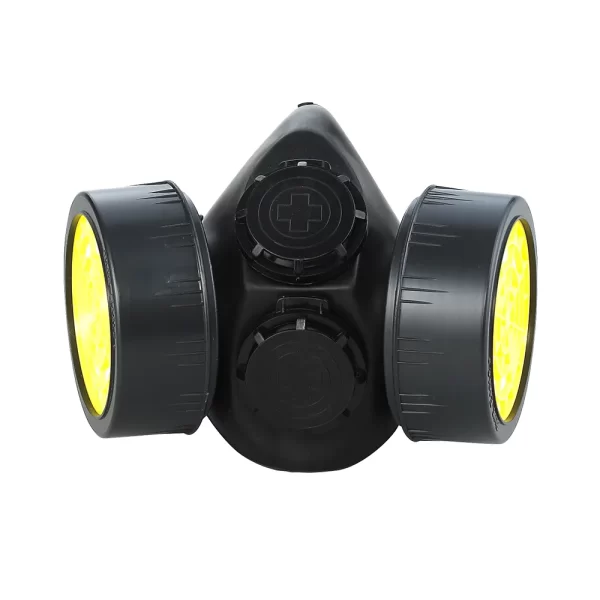
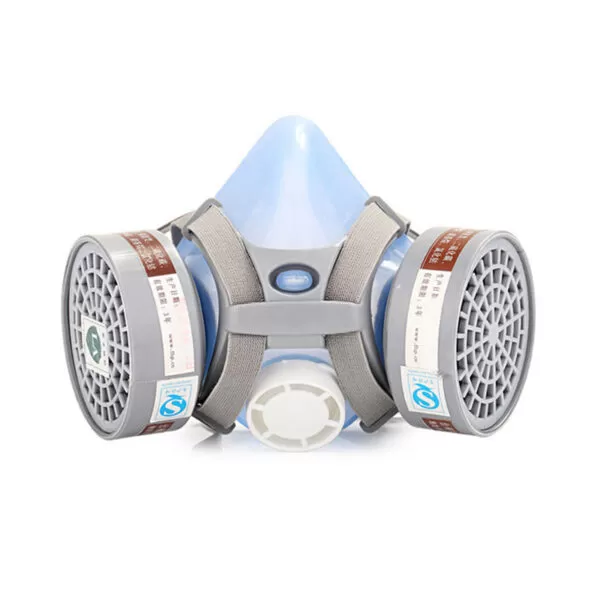
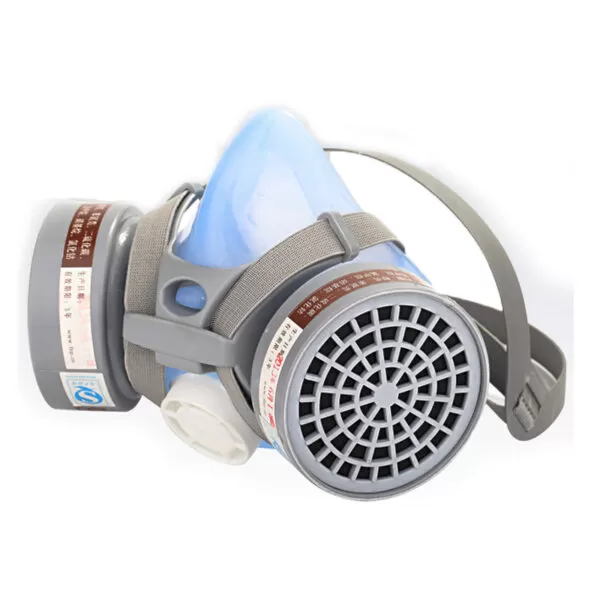
It is generally divided into two categories: one is filter respirators, which purify the air by sucking air into a filter device to remove pollution; the other type is air-supplied respirators, which provide clean air to the wearer from an uncontaminated external air source. Most equipment cannot provide complete protection, and small amounts of pollutants will inevitably enter the respiratory tract.
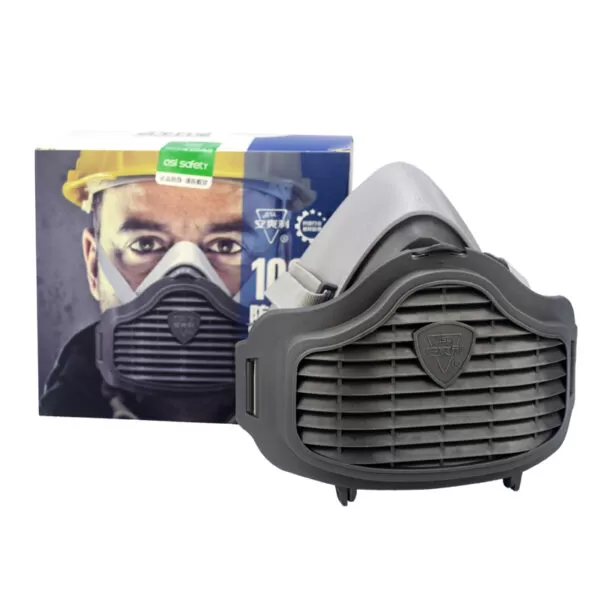
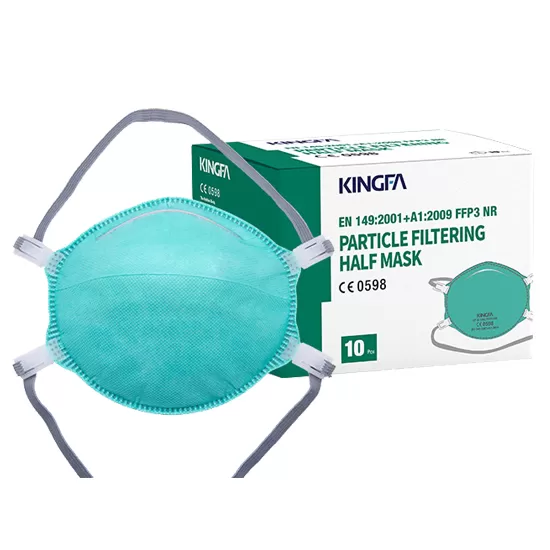
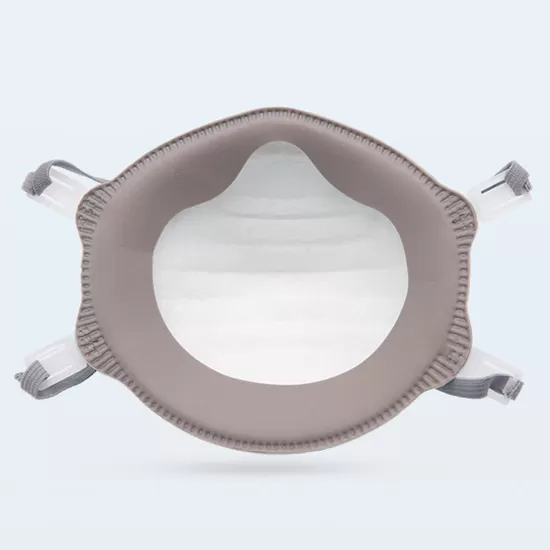
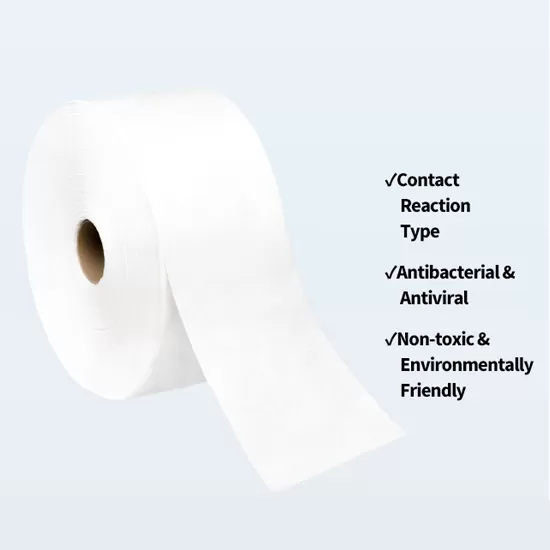
It can cover the nose and mouth, and is made of filter material that can remove pollution.
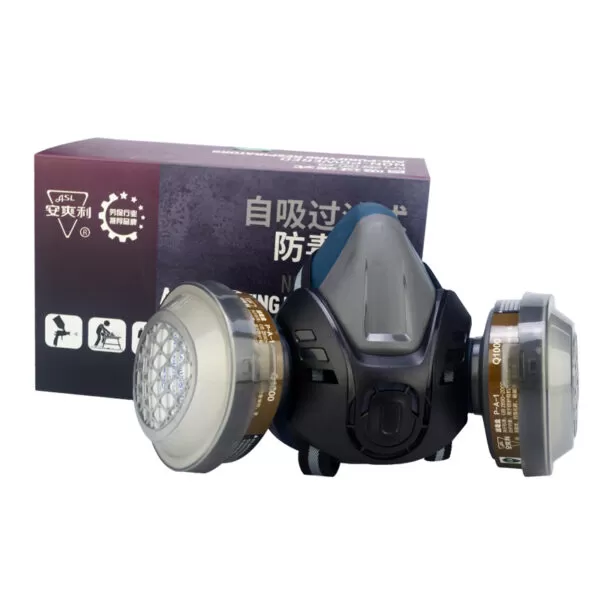
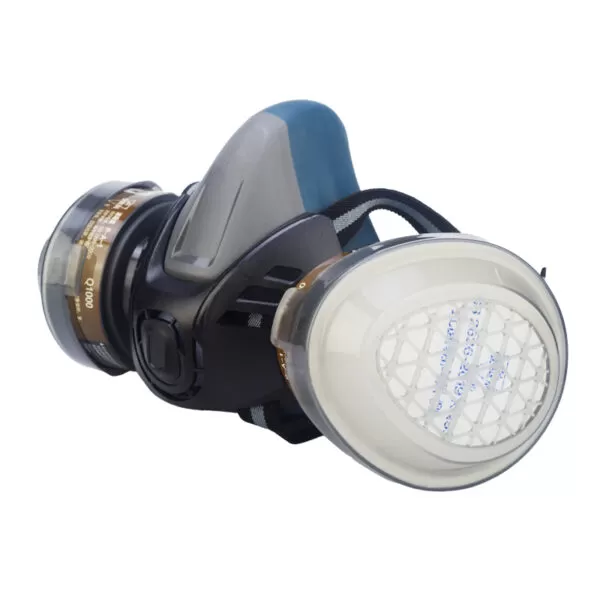
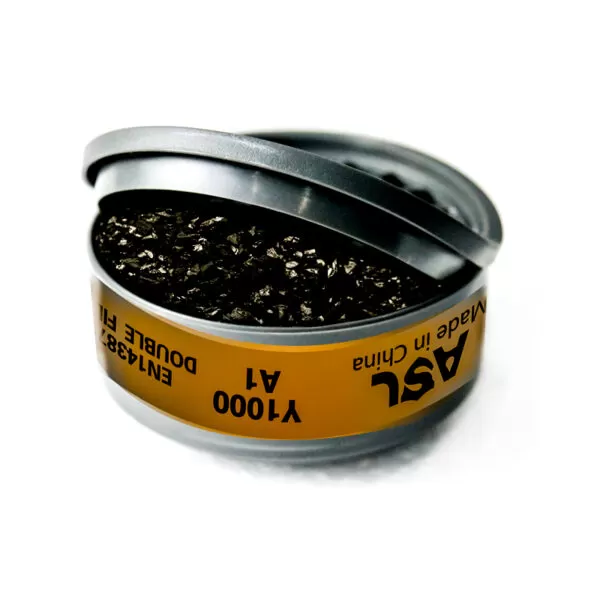
It is a mask covering the nose and mouth, made of rubber or plastic, with one or more detachable filter cartridges.
It covers the eyes, nose and mouth, and has a detachable filter tank.
It uses a pump to send air into the filter, forming a slight positive pressure in the respirator, preventing pollutants from entering the respirator from the gap.
It includes a filter and a fan mounted on the helmet. Purified air is blown into the helmet for breathing.
Filtering respirators offer no protection in oxygen-deficient air.
It provides clean air from unpolluted airflow.
It provides air to the wearer from a compressed air flow with a flexible long tube. There must be a filter device on the air pump to remove nitrogen oxides and oil in the air. There must be a mask or helmet, and the pressure of the air is reduced by a valve;
Air is provided to the wearer from the cylinder through a special mask. The whole set is worn by the operator.
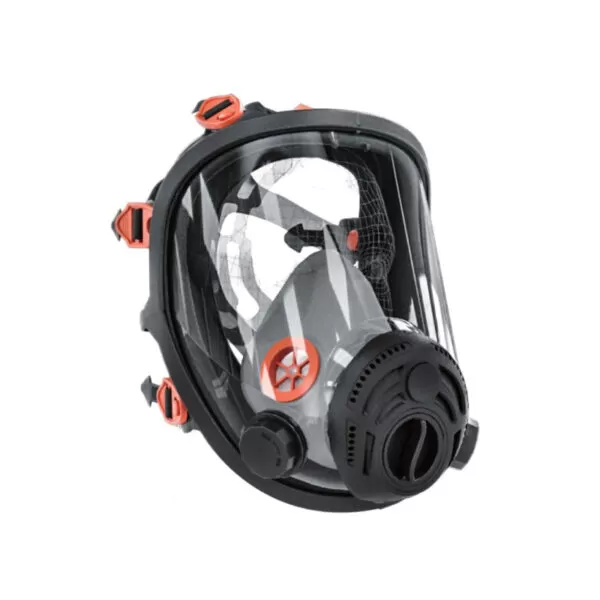
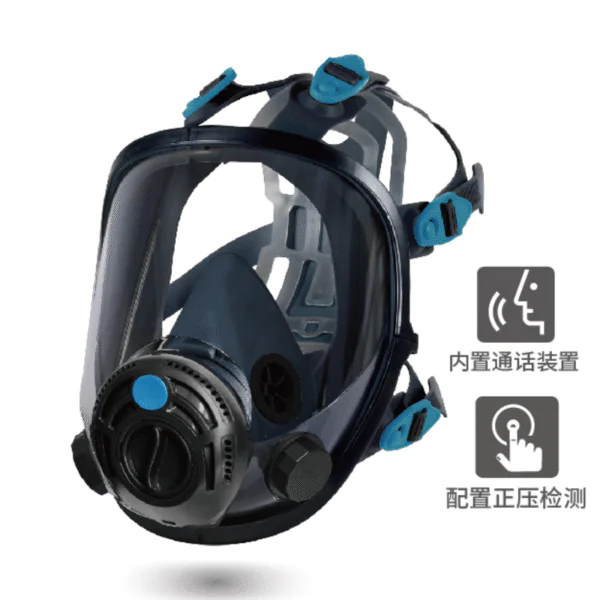
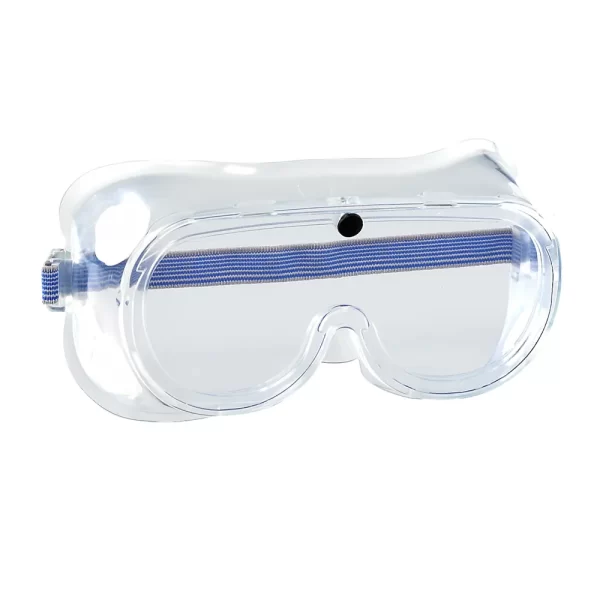
When choosing eye protective equipment, in order to make it effective, it is first necessary to evaluate the possible damage to the eyes and the degree of risk. Eye protection products can generally be classified into 3 categories:
Safety Glasses
It is used to prevent low-energy splashes, such as metal debris. But it cannot prevent against dust, nor against high-energy impacts. It should be easy to replace.
Safety Goggles
It is used to prevent high-energy splashes and dust, and can also resist chemicals and metal droplets after further processing. The disadvantages are that the inside of the goggles is prone to fogging, the lens is fragile, the field of vision is limited after wearing it, the entire face cannot be protected, and the price is relatively expensive. When resisting non-ionizing radiation, an additional filter should be added.
Face Mask
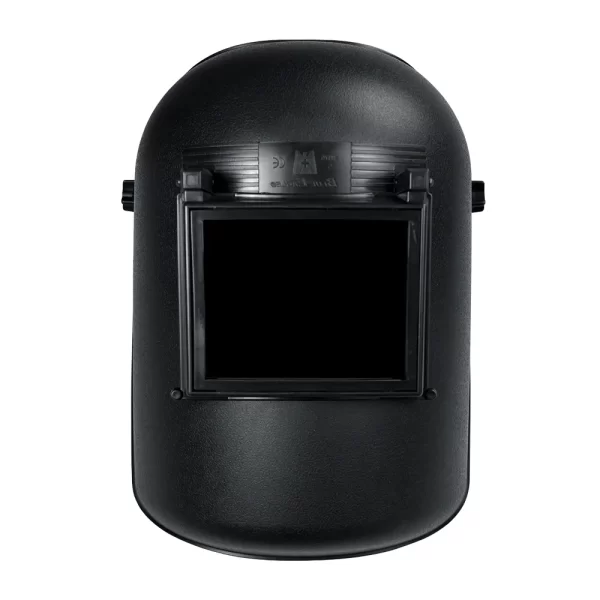
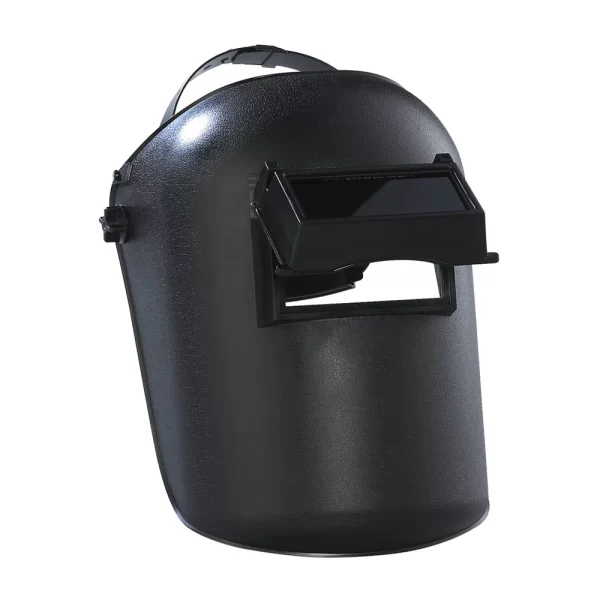
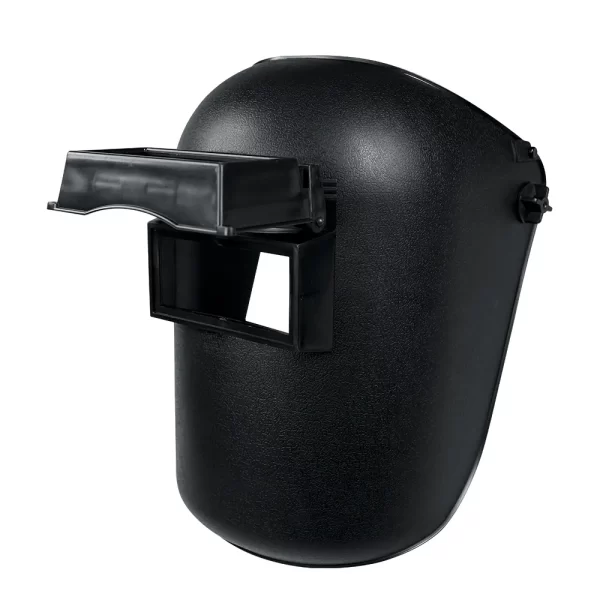
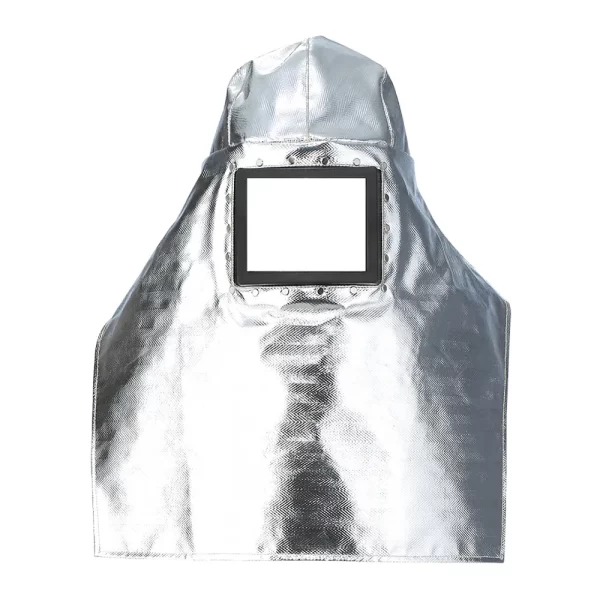
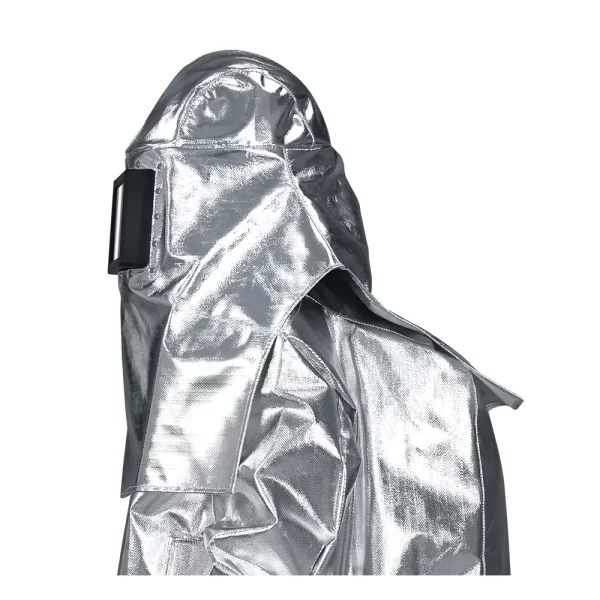
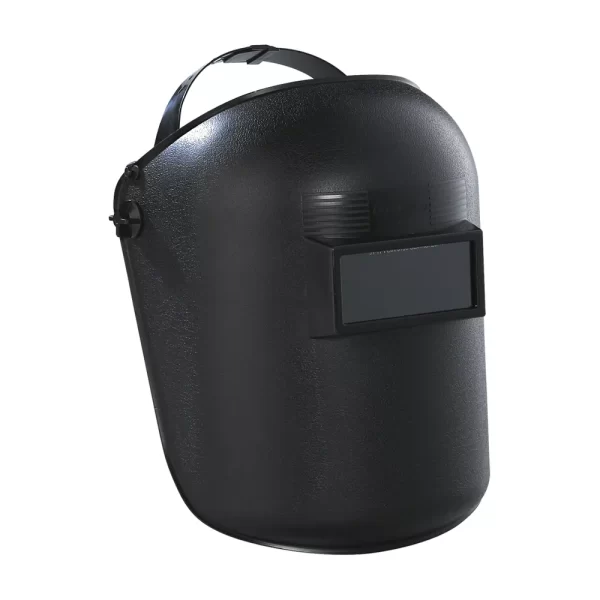
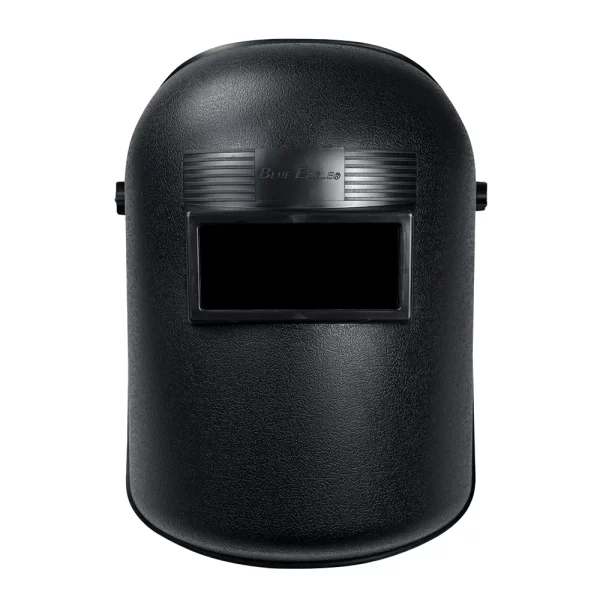
It provides protection for the entire face from high-energy splashes, and with the addition of various filters, it can prevent against various types of radiation. Field of view may be restricted after wearing the mask. While the windshields of some helmets can be easily and inexpensively replaced, the overall price is still high. In addition, the mask may be a little heavier than glasses. The inner side is not easy to fog.
In order to protect the health of the human body, when the human body is exposed to some harmful environments, such as heat, cold, radiation, impact, friction, moisture, chemicals and vehicle impact, etc., body protection should be provided.
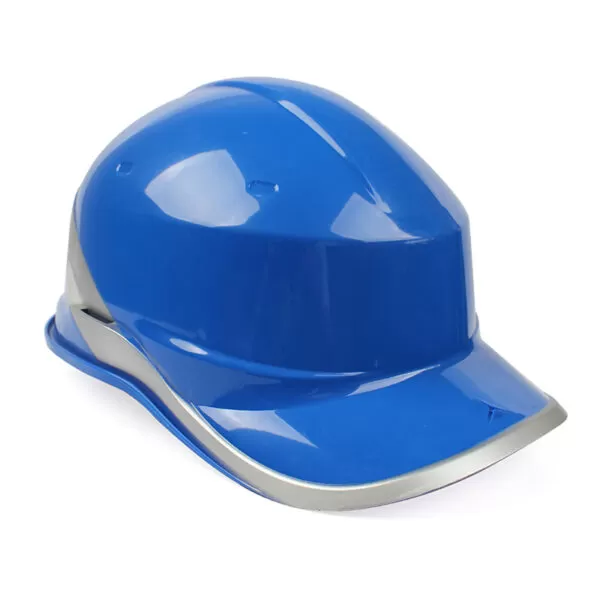
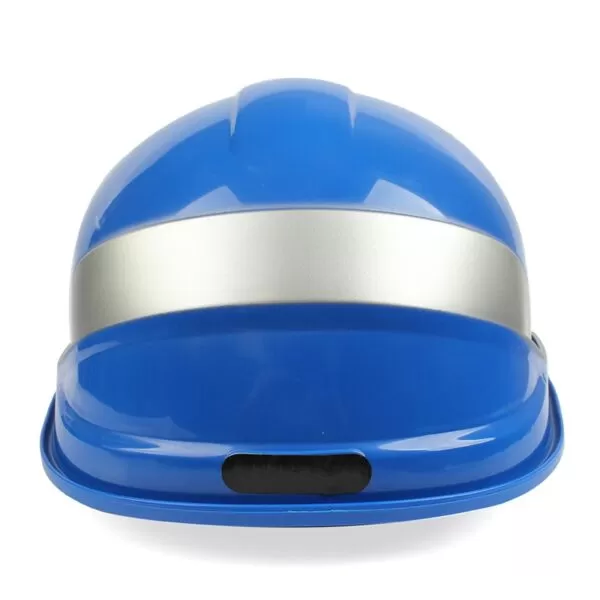
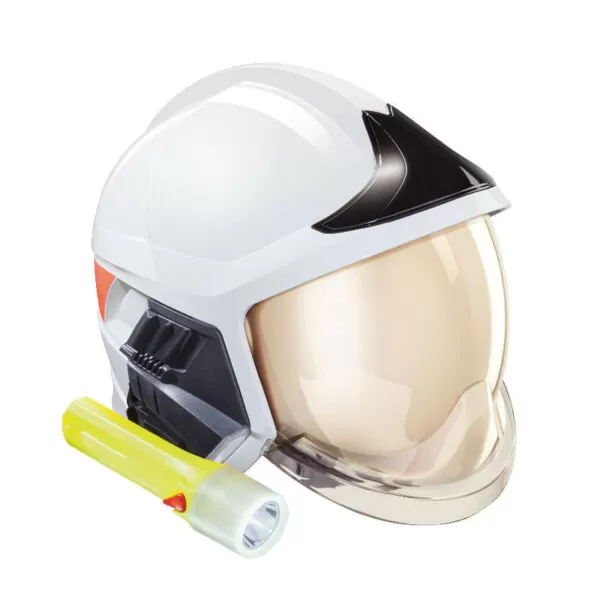
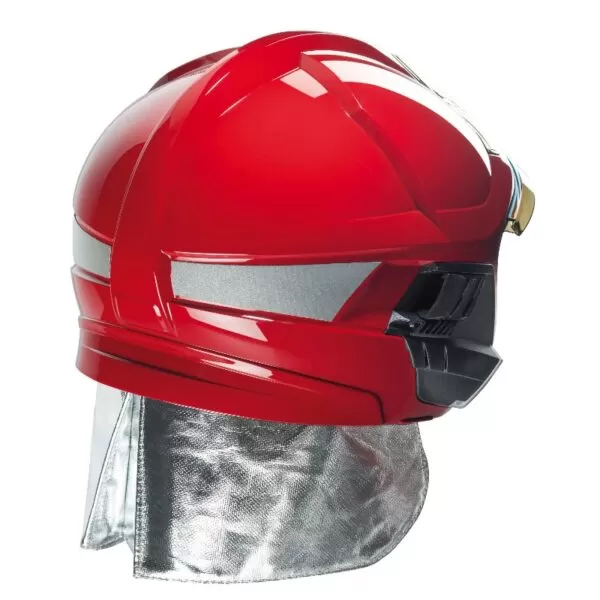
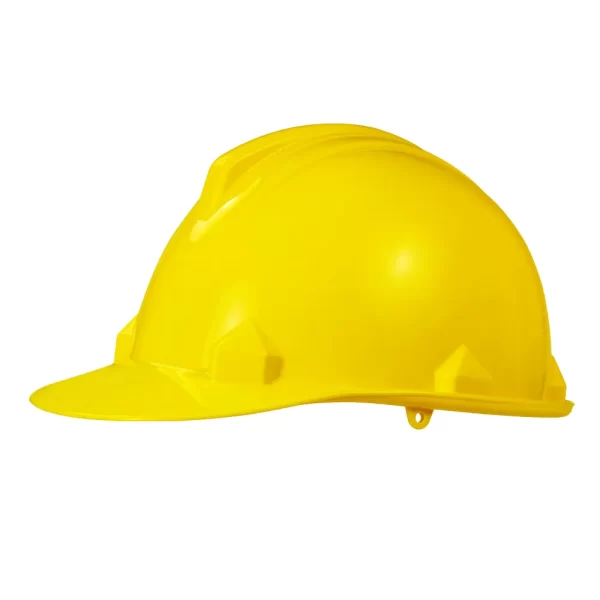
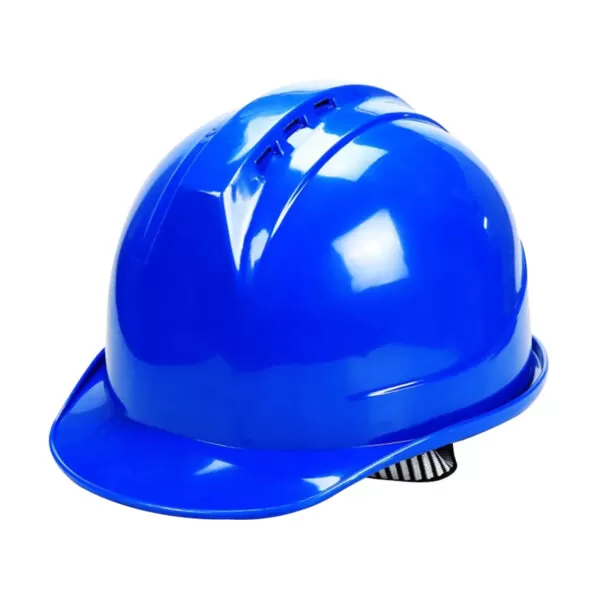
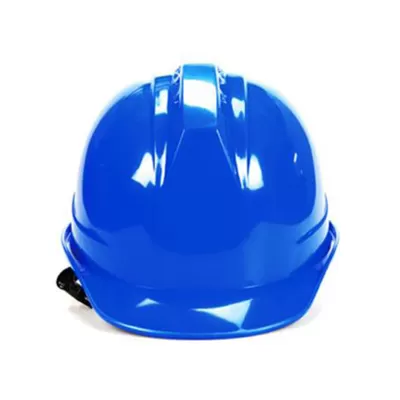
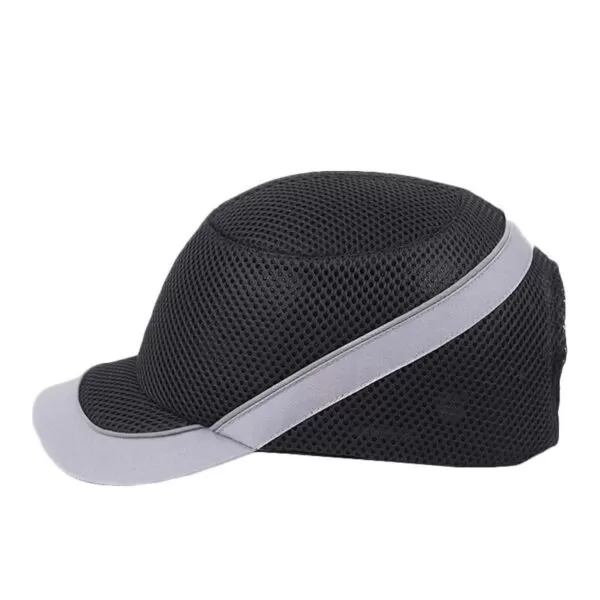
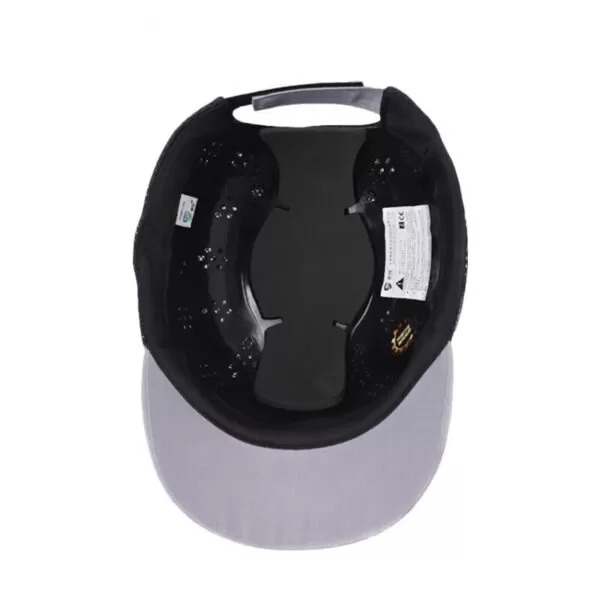
For head protection, safety helmets and head protectors (so-called “hard hats”) are generally used without brims. Their function is to provide protection against sun, rain and head impact. The protection ability of the head protectors to the impact is quite limited. It mainly provides the protection to the impact in the limited space; therefore, they cannot replace the safety helmet. The lifespan of a safety helmet is about 3 years, and its lifespan will be shortened when it is exposed to ultraviolet rays for too long or subjected to repeated impacts.
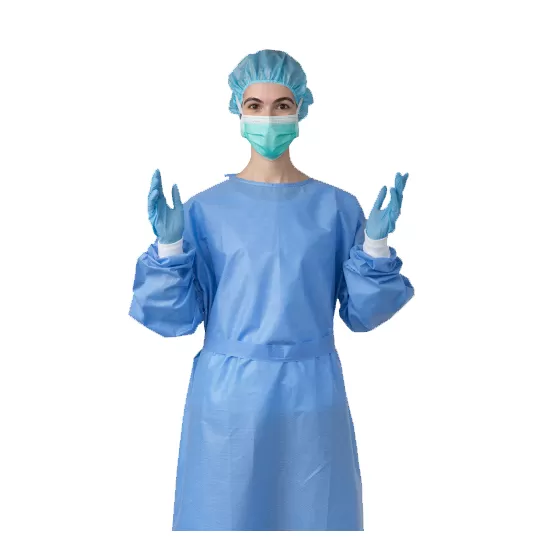
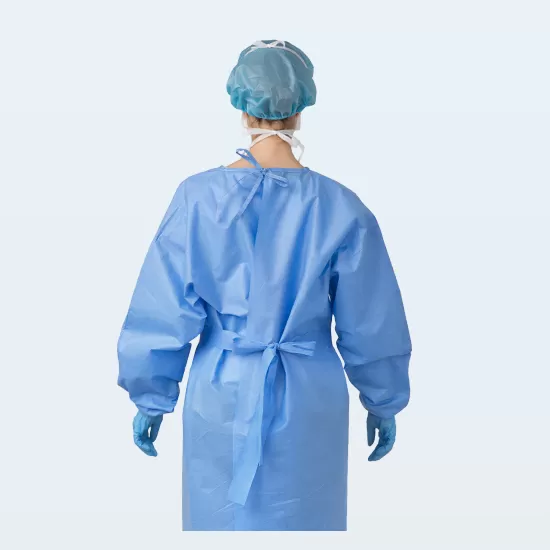
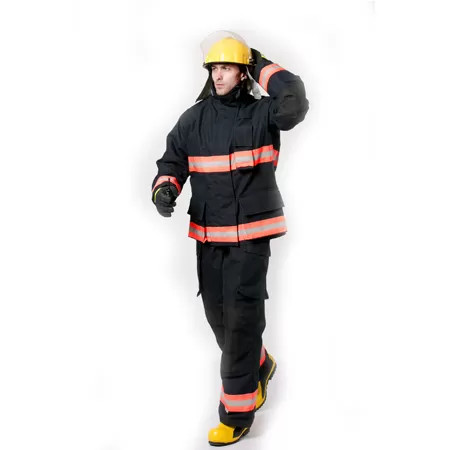
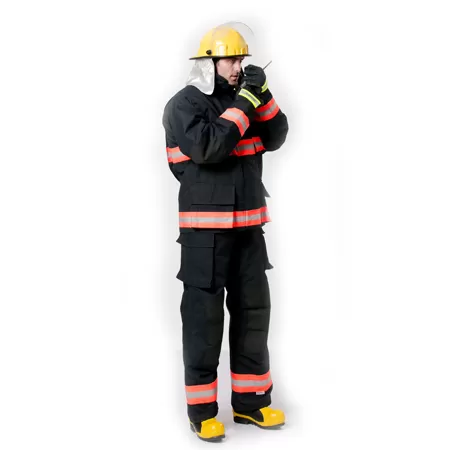
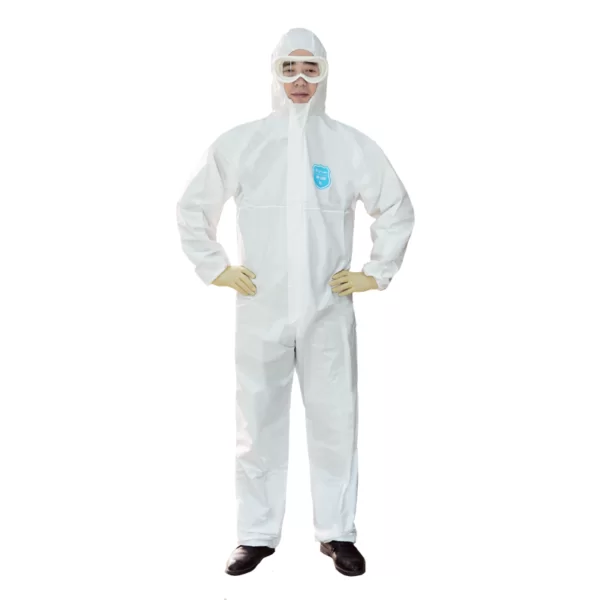
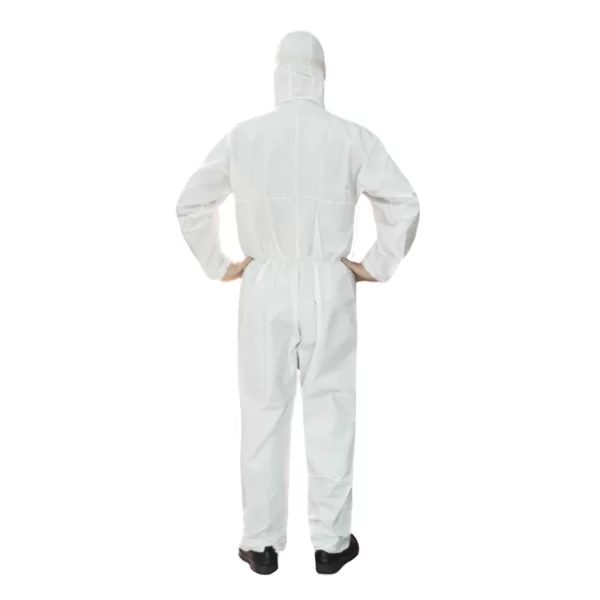
They are usually made of cotton, while some are disposable. For full-body suits, arrangements should be made for cleaning to prevent violations of industrial hygiene requirements, such as in the case of handling oil and chemicals. When the clothing is not kept clean and changed in a timely manner, it may lead to the formation of dermatitis or skin cancer. Aprons and overalls should be flame-retardant, while trousers worn during cutting operations should be protected by strong nylon or similar material.
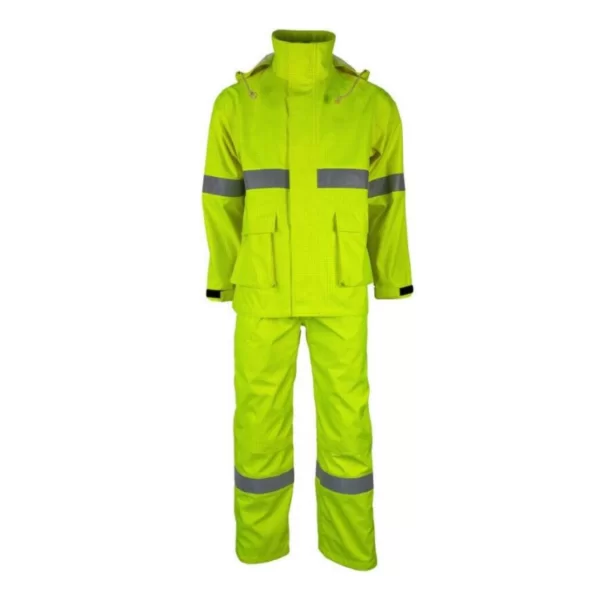
After wearing work clothes, there may be restrictions on movement, and it is easy to be caught in the machine. Therefore, the type and manufacture of work clothes must be carefully selected, and the user must be taught to use them correctly. This includes the requirement to button up the jacket near rotating machine. Wearing anti-static clothing is an important measure to reduce electrostatic effects. When there is such a requirement, it must be strictly followed.
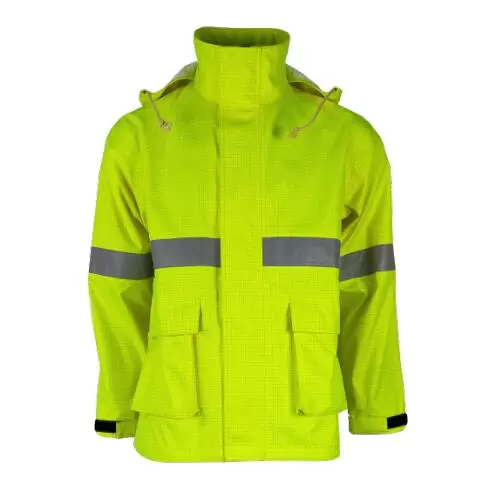
It is usually made of PVC material, and often with very conspicuous material, to attract the attention of vehicles approaching the wearer. PVC materials may not be comfortable enough due to poor air permeability, while non-PVC fibers are more permeable to water vapor, but they are more expensive.
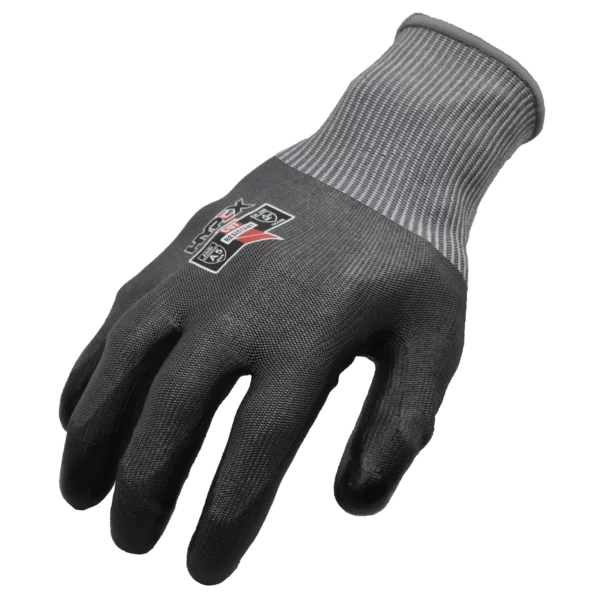
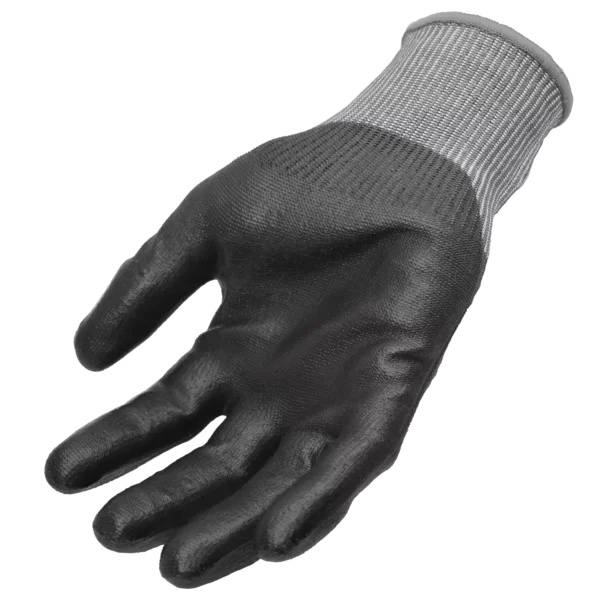
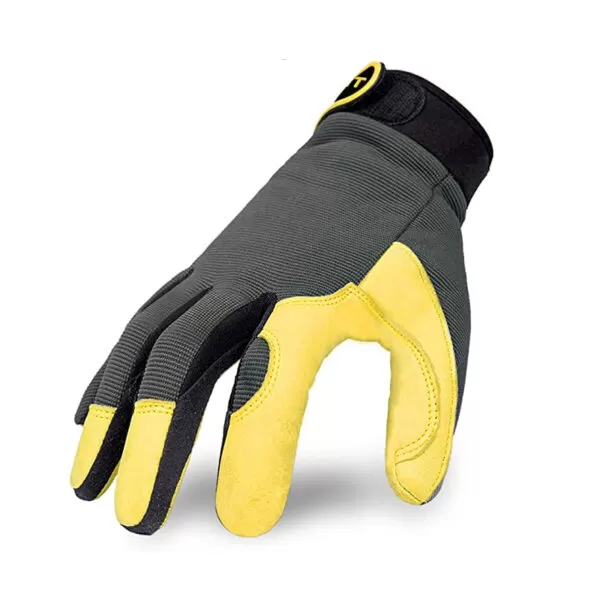
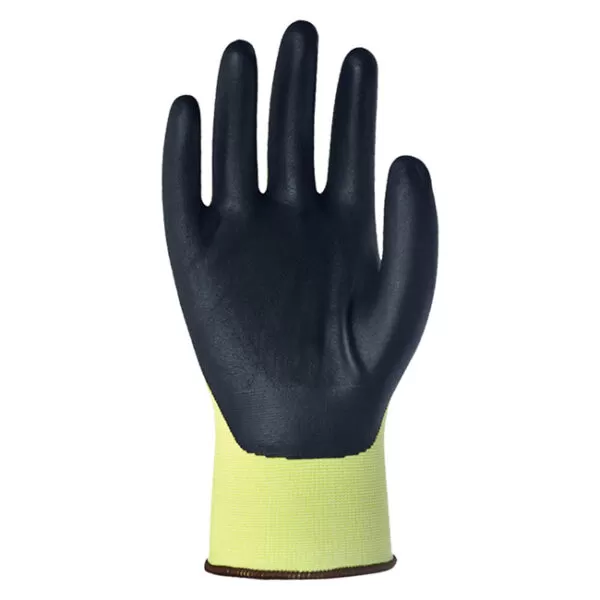
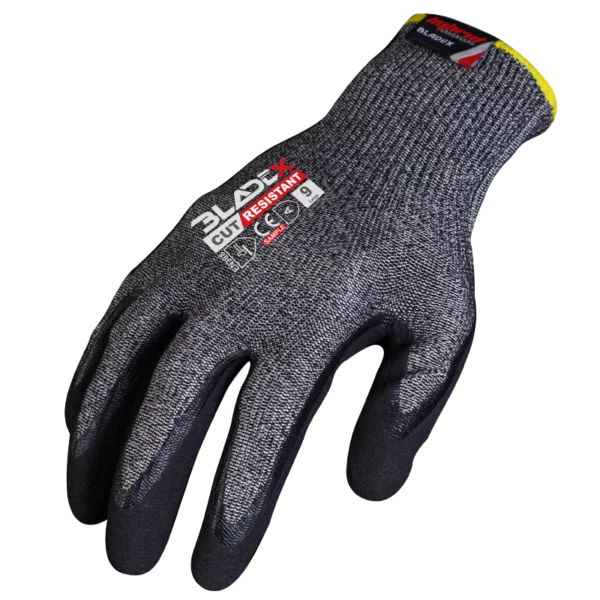
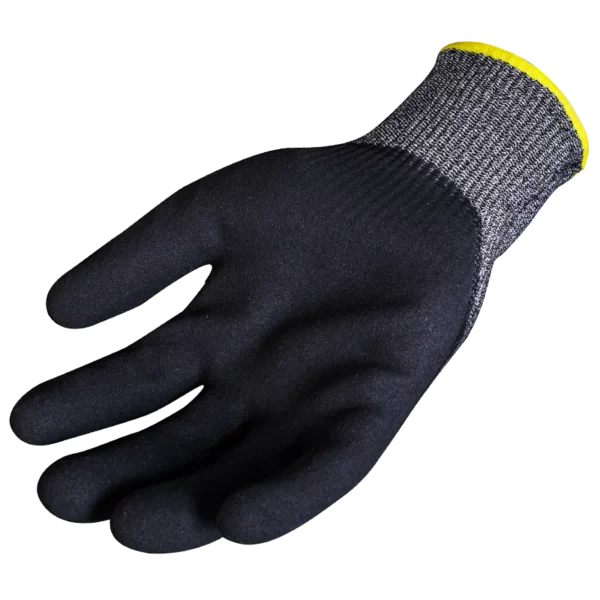
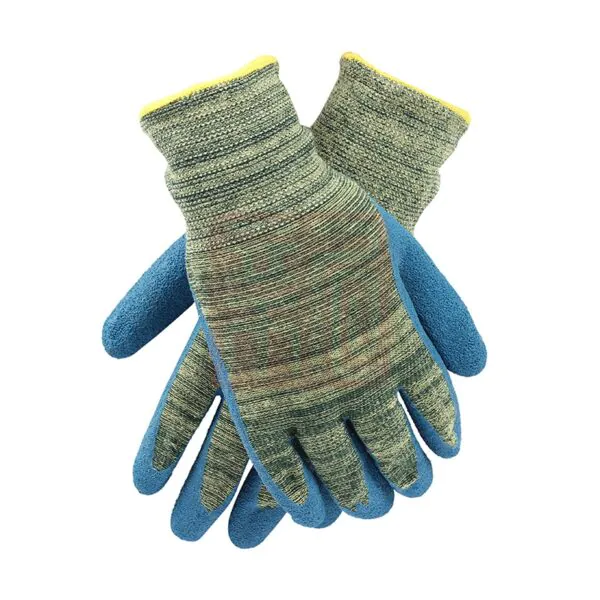
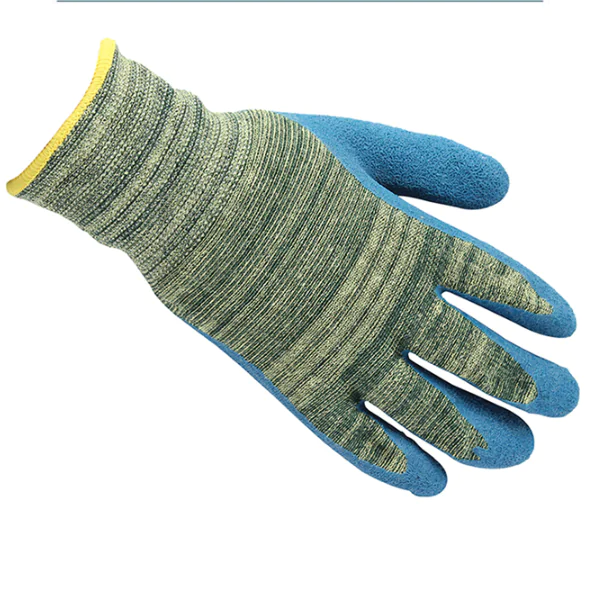
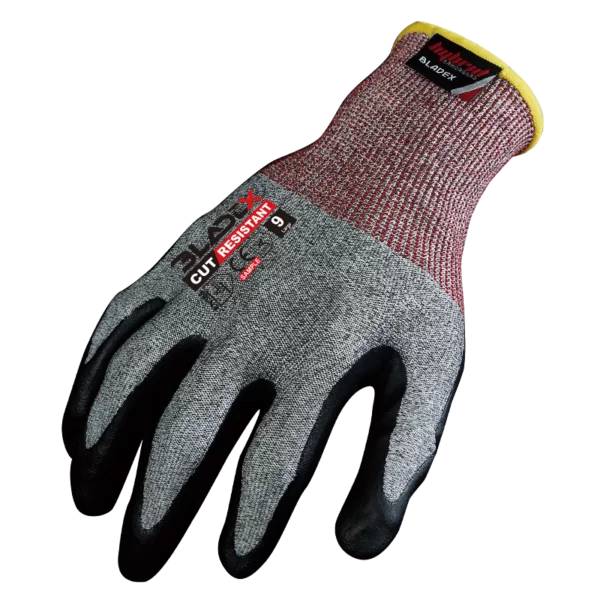
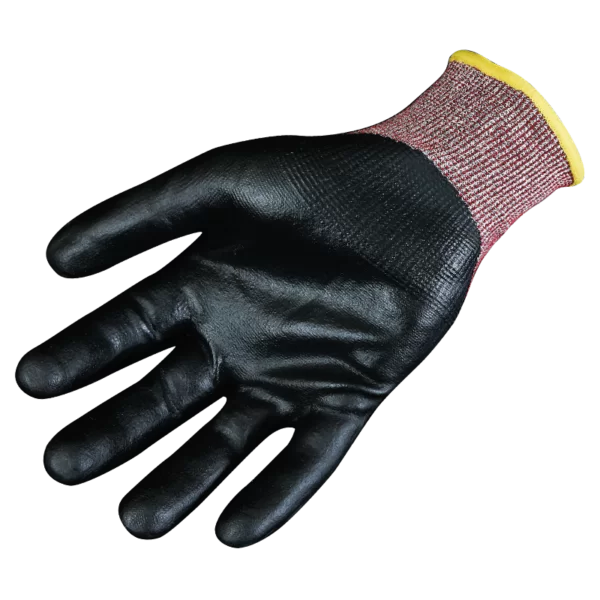
When choosing gloves, you need to consider comfort, flexibility requirements and the need to protect against high temperatures and objects that may be grabbed with them. At the same time, factors such as its price and possible hazards that may be encountered during use should be considered. For example, whether there is any danger of being drawn into the machine, etc.

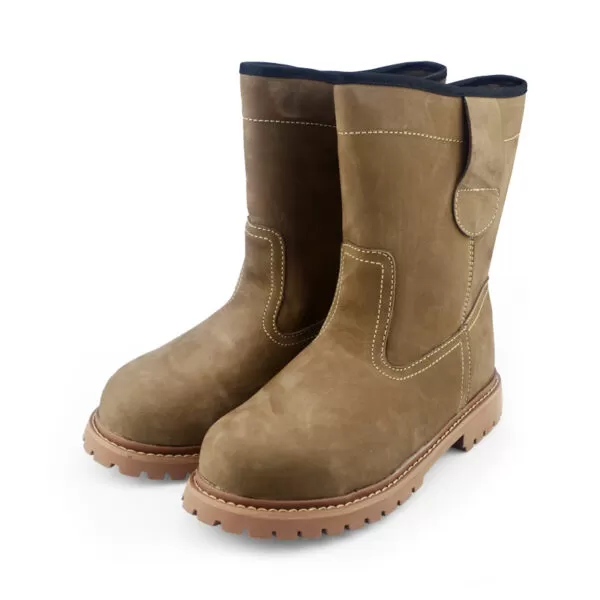
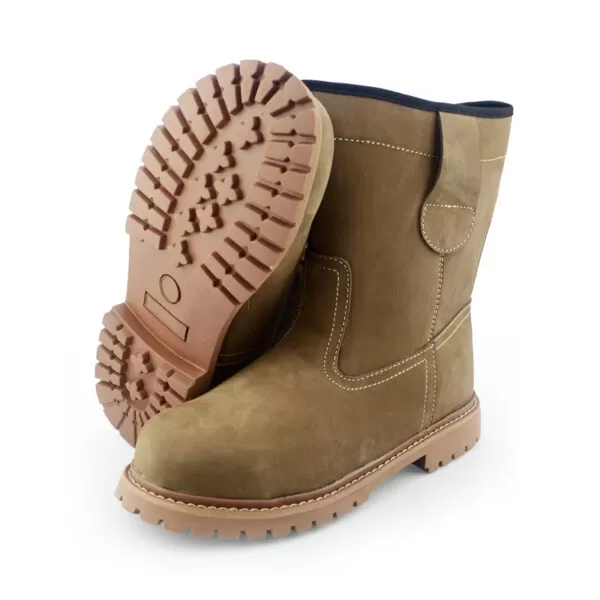
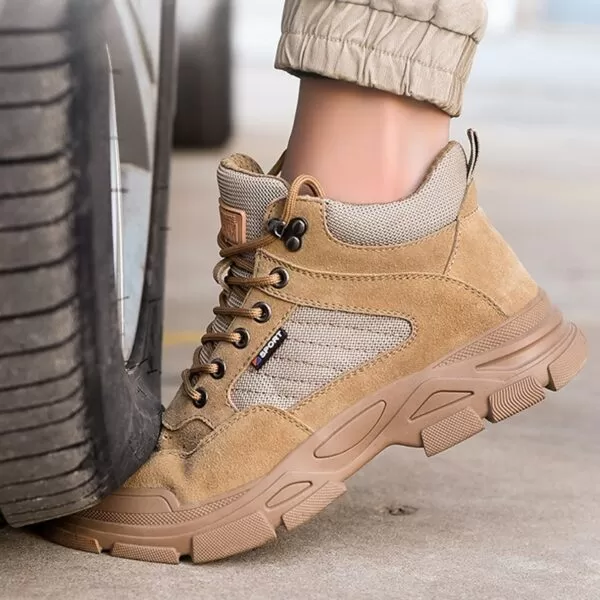
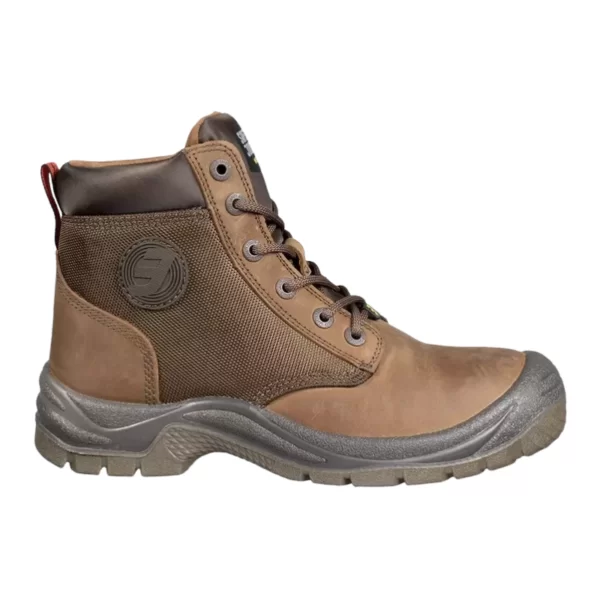
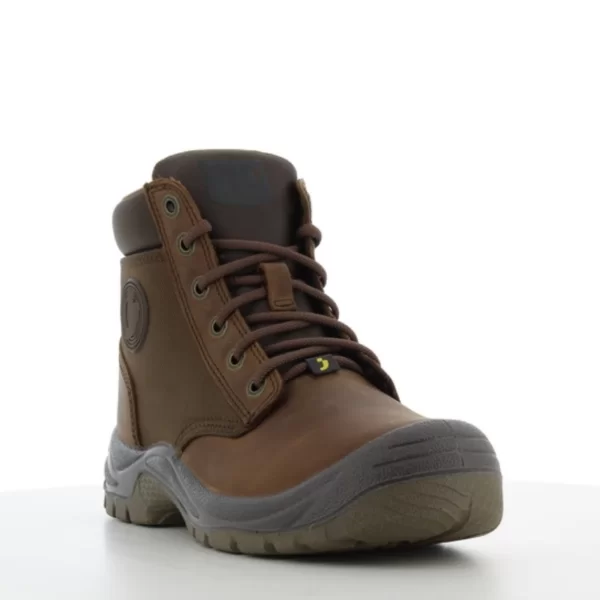
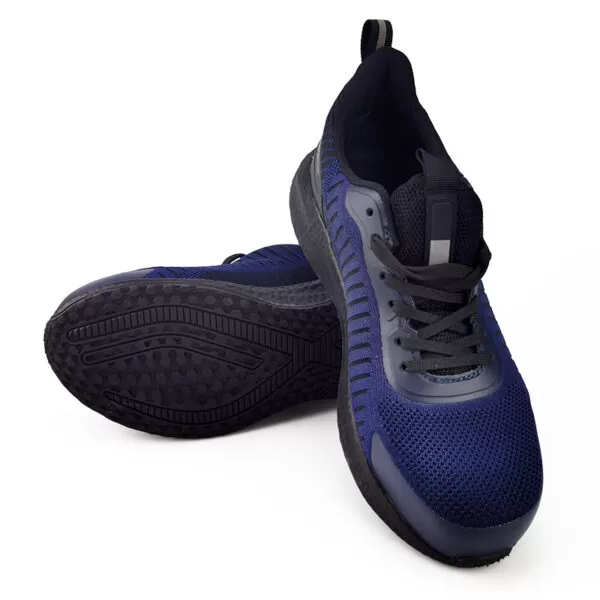
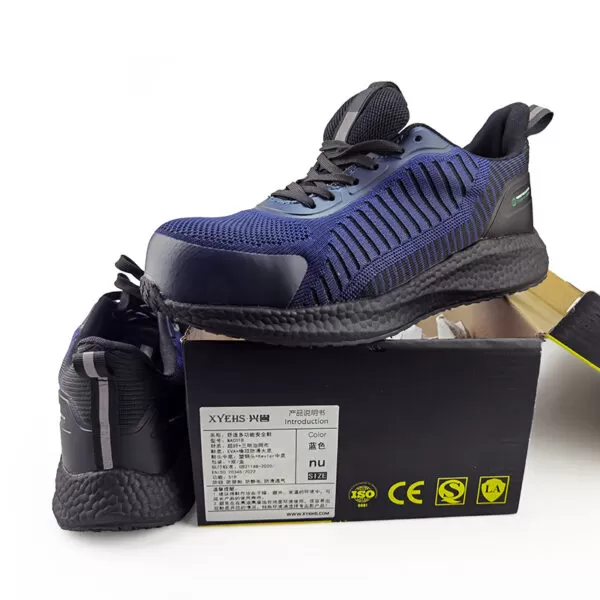
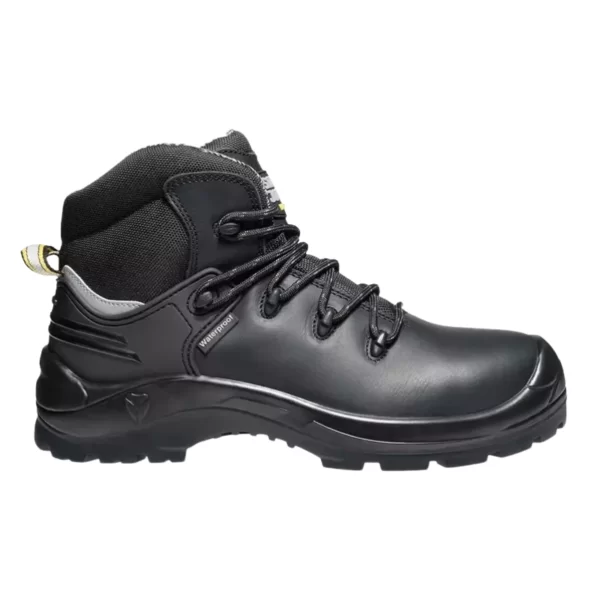
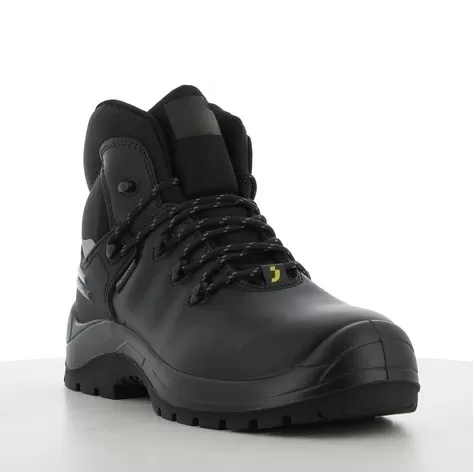
The designs of various protective shoes have their special protection functions. Ordinary anti-smashing shoes are designed to prevent damage to the feet when objects fall, especially to protect the toes. At the same time, some shoes are used to prevent sharp objects under the soles from penetrating the soles to protect the feet. It should be waterproof, non-slip and comfortable to wear. The toe cap of the shoe is lined with steel to protect the toes. At the same time, the size of the shoes should also be suitable. The electrical insulation and anti-static properties of the shoes are also very important sometimes.
In addition to daily hygiene work, skin cream can be used before and after work to protect the skin when protective clothing cannot be used. There are generally 3 types of skin creams: soluble in water, insoluble in water and special use.
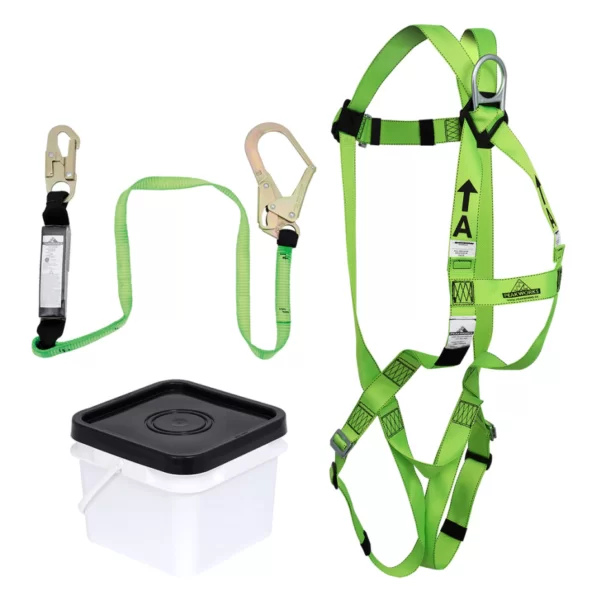
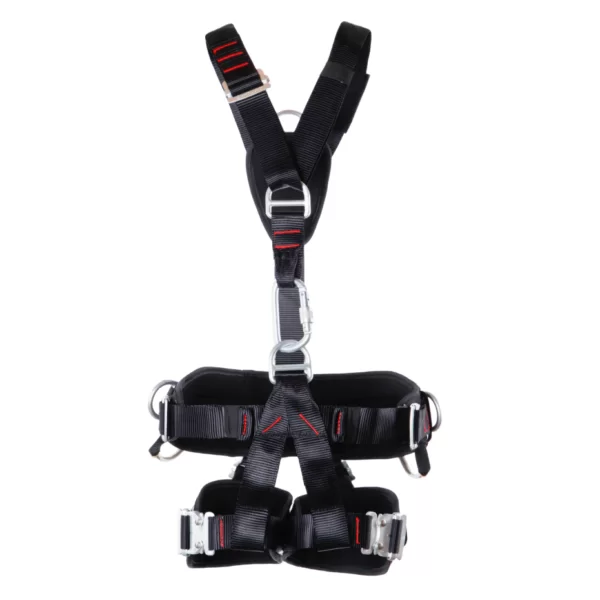
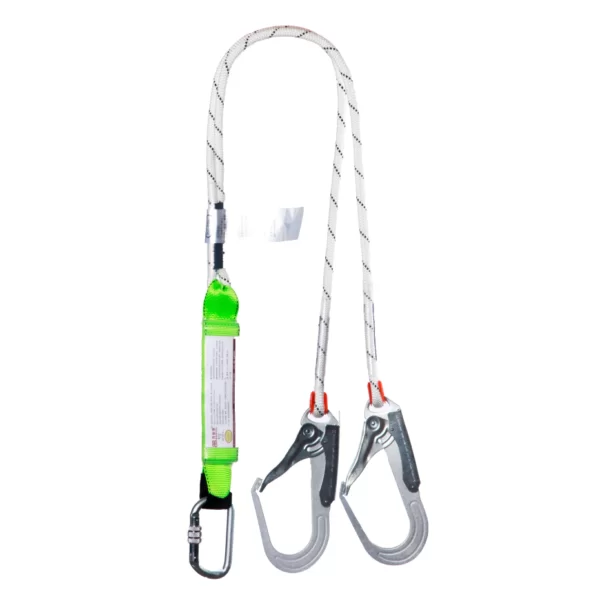
Safety harnesses and safety hooks are not intended to replace other safety measures to prevent falling from height. Safety harnesses and safety hooks can only be selected if the platform and protective net cannot be used. The role of safety harnesses and safety hooks is to limit the height of the fall and to help with rescue work. In addition to the requirement for comfort and ease of movement, the choice of such a device must also consider the need for the tethered human body to provide sufficient protection against this energy conversion once it falls. For this reason, in the event of a possible fall, a safety hook should be chosen over a safety harness.
One end of the harness and the hook must be fixed to a solid mooring point, and it must be able to withstand the tension of the fall. A basic principle is to secure the tethered end as high as possible in the workplace to limit the distance to fall. All equipment should be inspected according to the manufacturer’s instructions before use.
In summary, while PPE has its place, a hazard control approach that prioritizes safer work processes, a full hierarchy of engineering solutions, and administrative changes will provide the best protection for workers. PPE should generally be used as a “last resort” hazard control.
No account yet?
Create an Account Hard Hat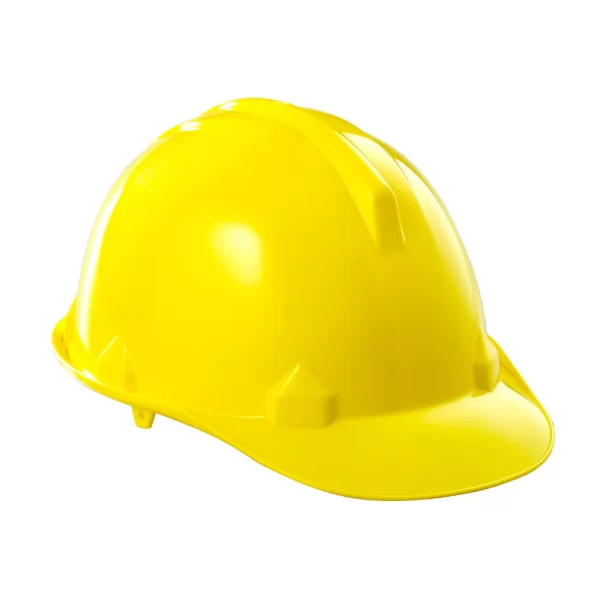








 Face Shiled
  Safety Glasses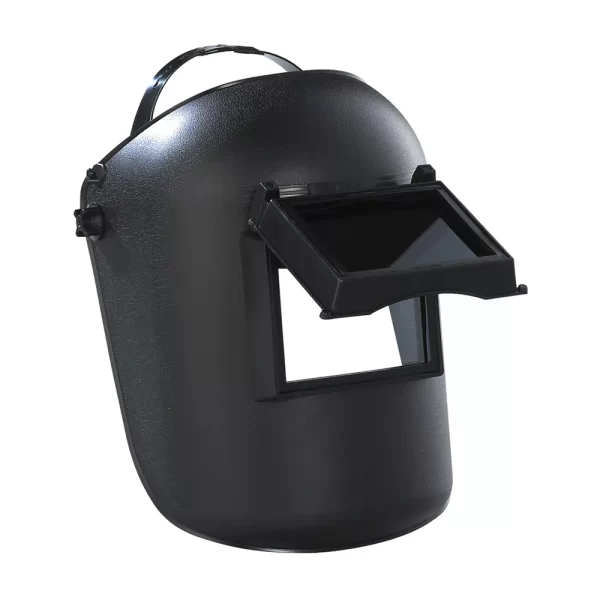



 Earmuffs
  Earplugs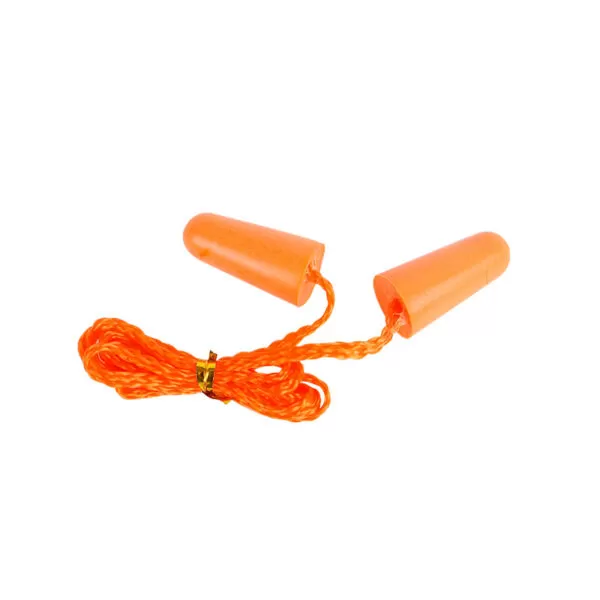


 Rubber Mask
  Mask
Mask 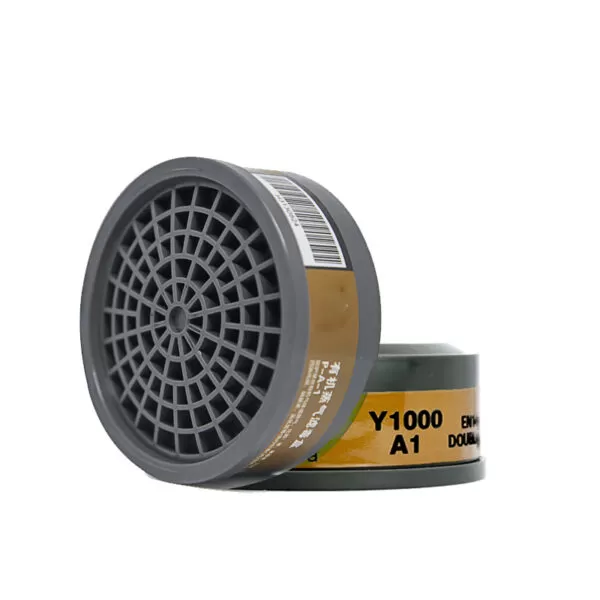

 Work Gloves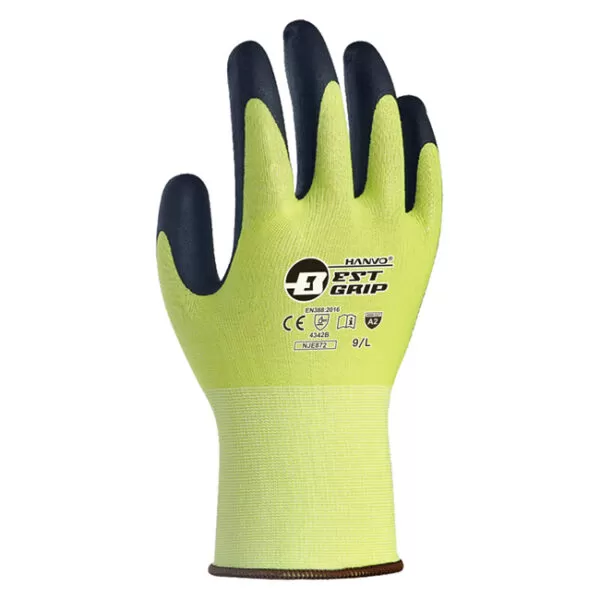

 Safety Shoes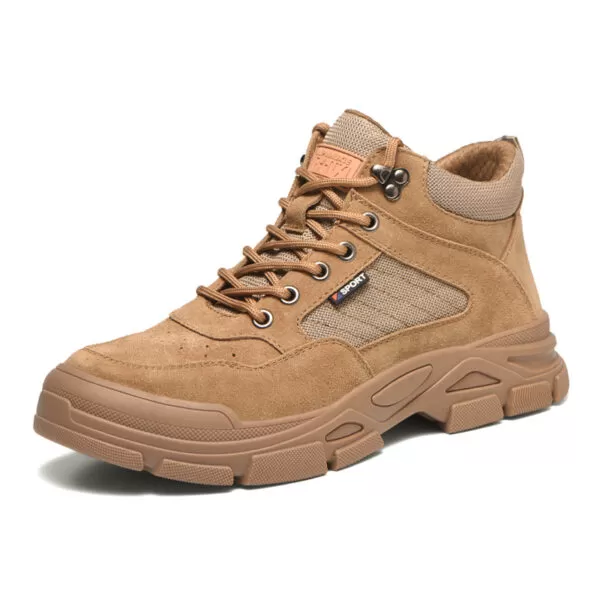
 Reflective Vest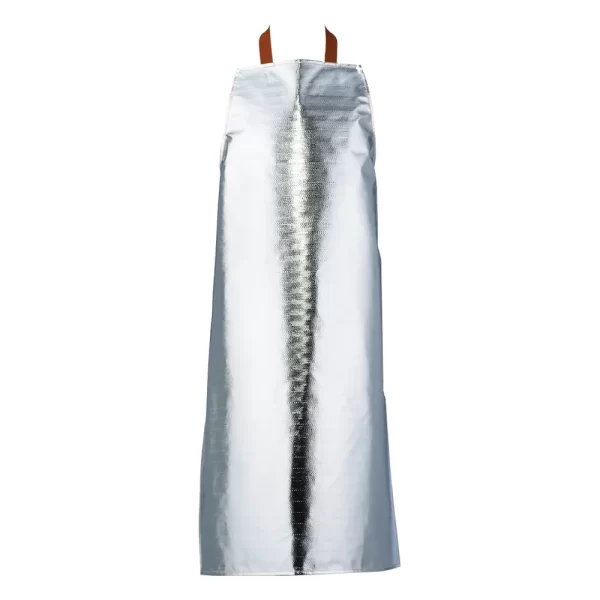
 Safety Belt