Type List-Head Protection Equipment
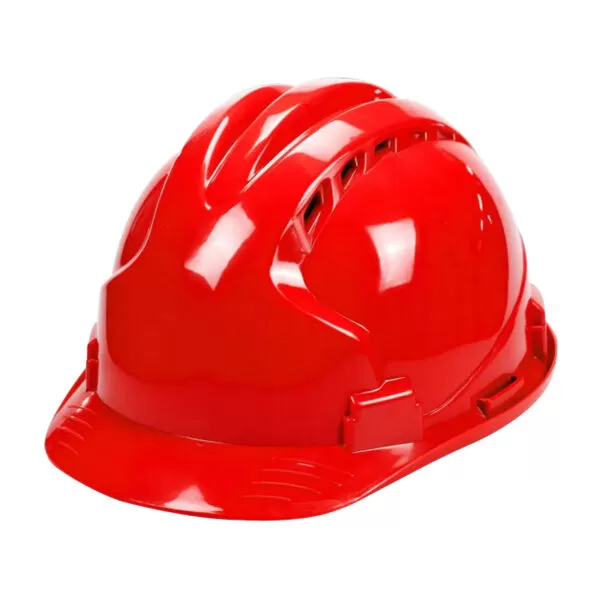
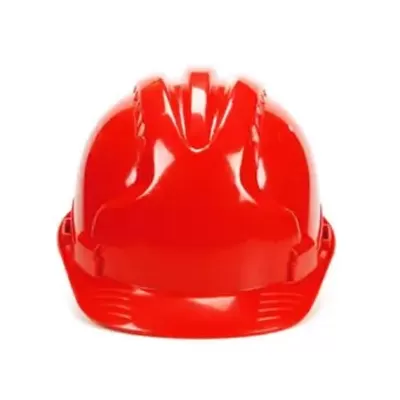
Prevent high-altitude falls and impact injuries to the head
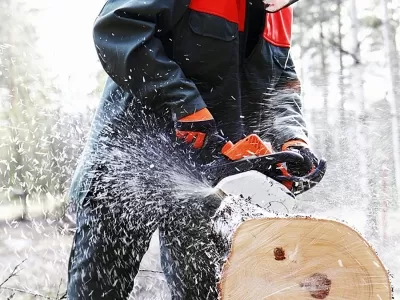
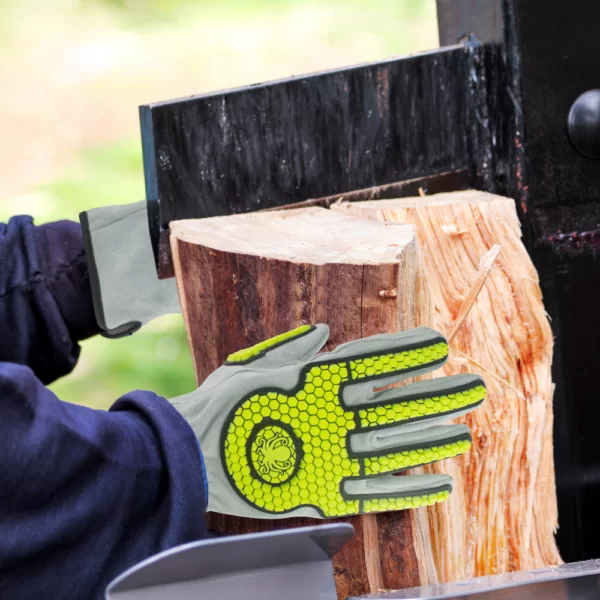
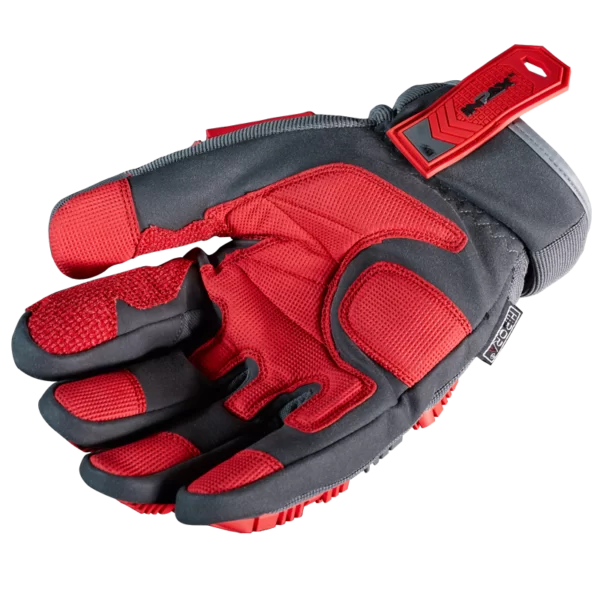
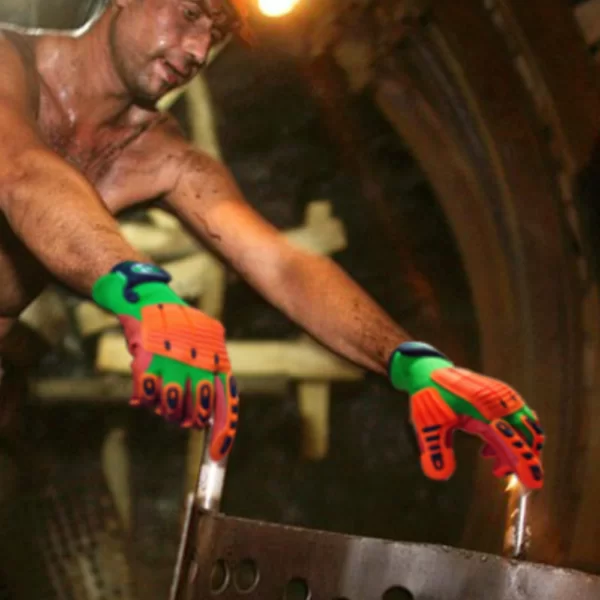
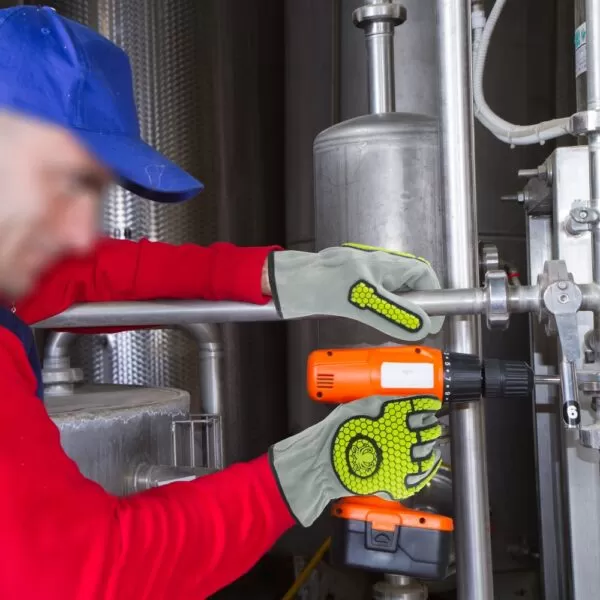
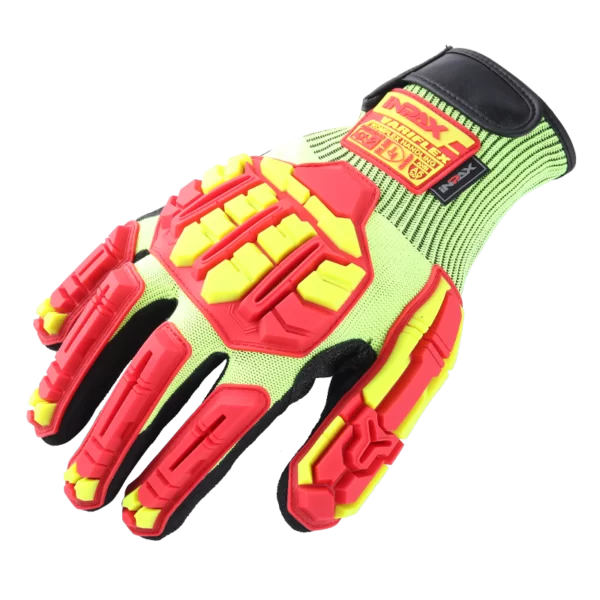
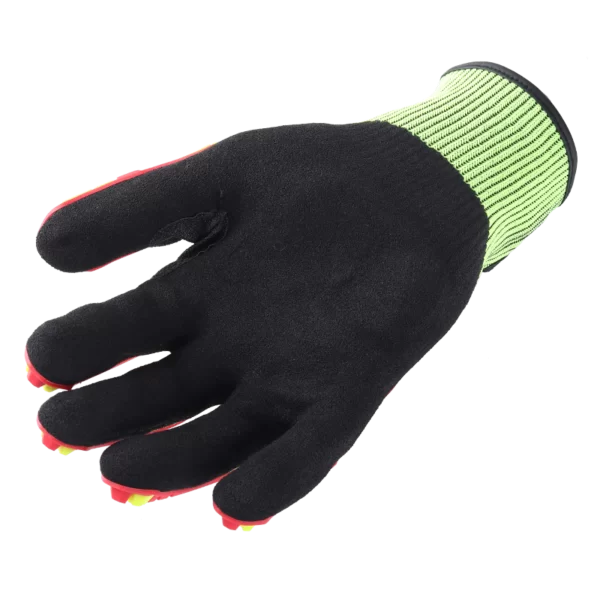
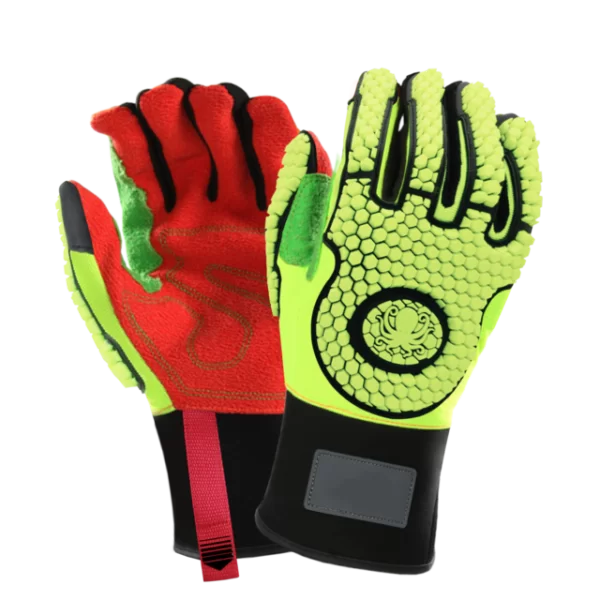
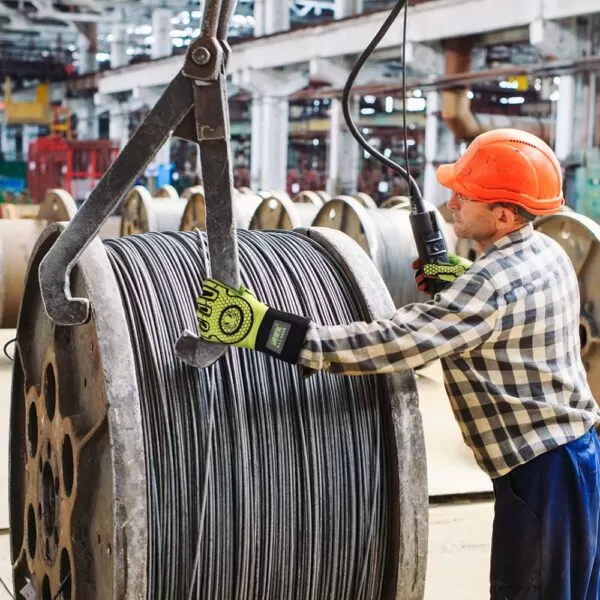
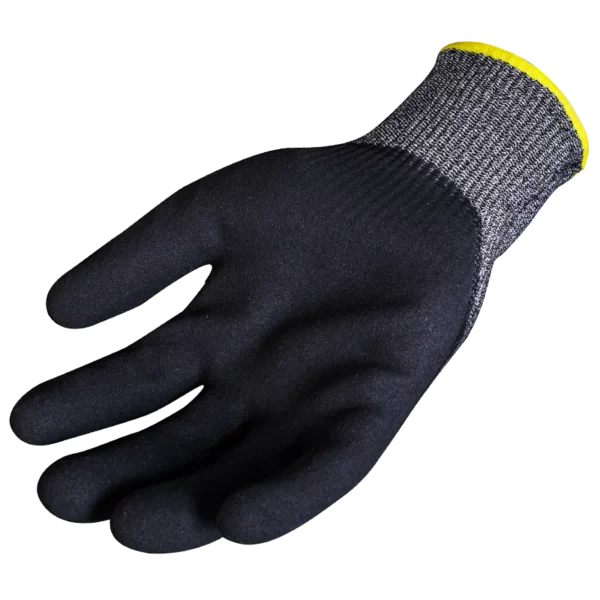
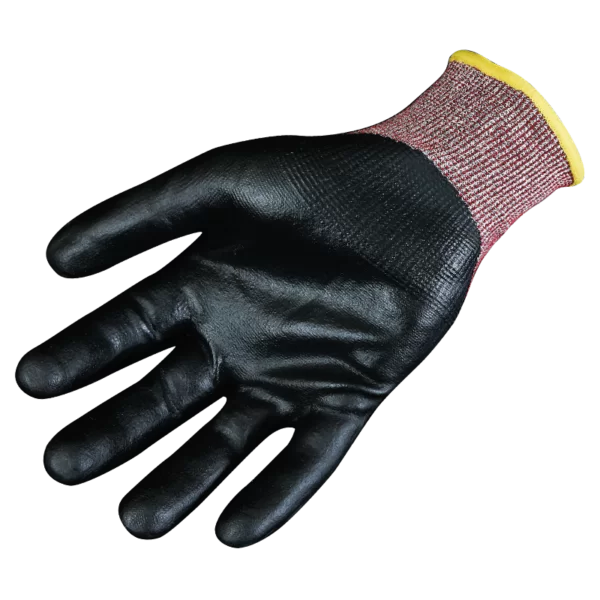
Anti-vibration gloves are personal protective equipment specifically designed for exposure to vibration when using hand-held vibrating tools, such as chain saws, rock drills, electric hammers, pneumatic picks, etc. in the forestry, mining, construction, transportation and other sectors, which can prevent the vibration-related occupational disease “white finger syndrome”.
The thickness of the anti-vibration structural layer of the gloves does not exceed 7mm, and the anti-vibration properties of the gloves should comply with the requirements in the table below:
| Performance of Anti-Vibration Gloves | |
| Test Frequency (Hz) | Attenuation Value (dB) |
| 63 | >6 |
| 125 | >10 |
| 250 | >10 |
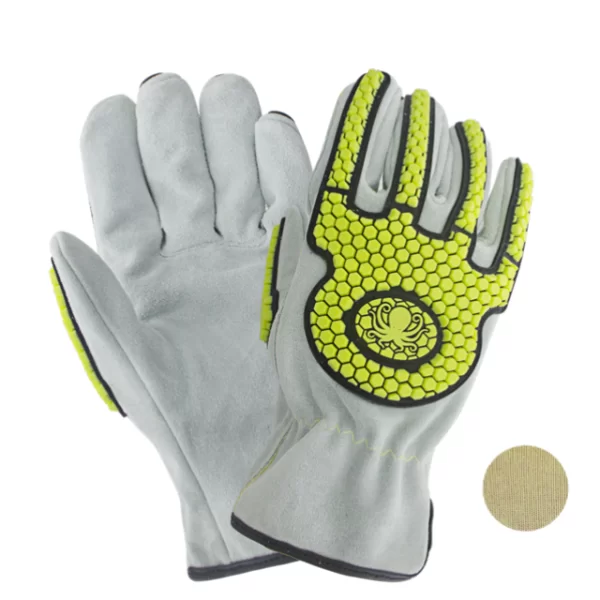
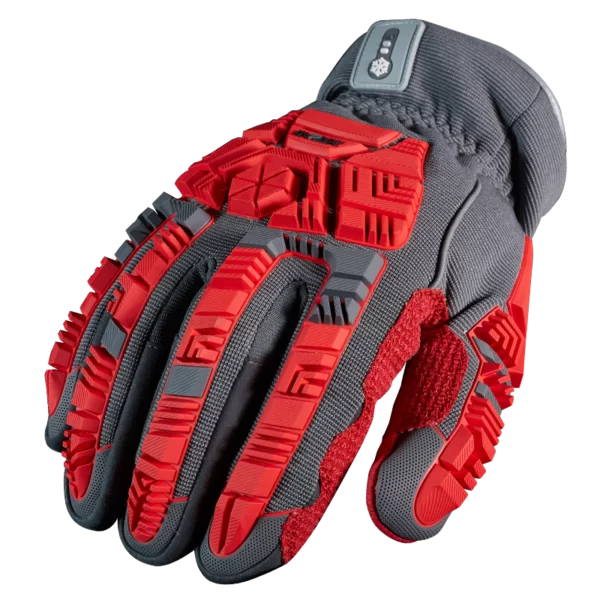
In terms of structure, anti-vibration gloves mainly add a certain thickness of foam plastic, latex and air interlayer to the palm surface to absorb vibration. The thicker the pad, the more air it contains and the better the vibration dampening effect. However, when the palm and finger surfaces are too thick, hand movement is hindered, affecting operation.
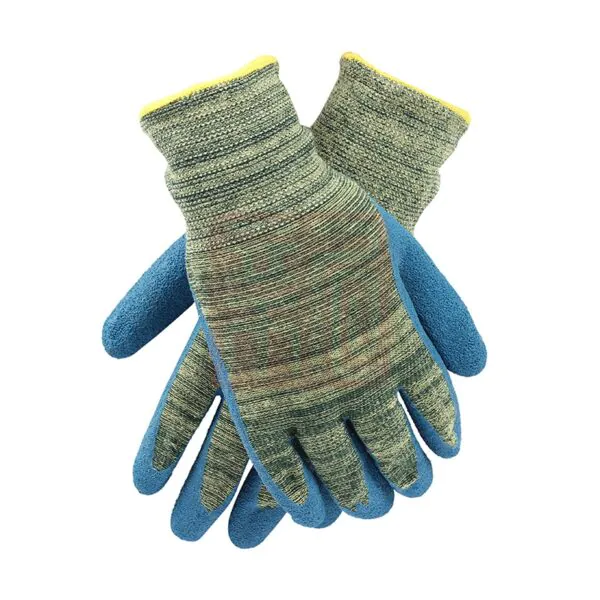
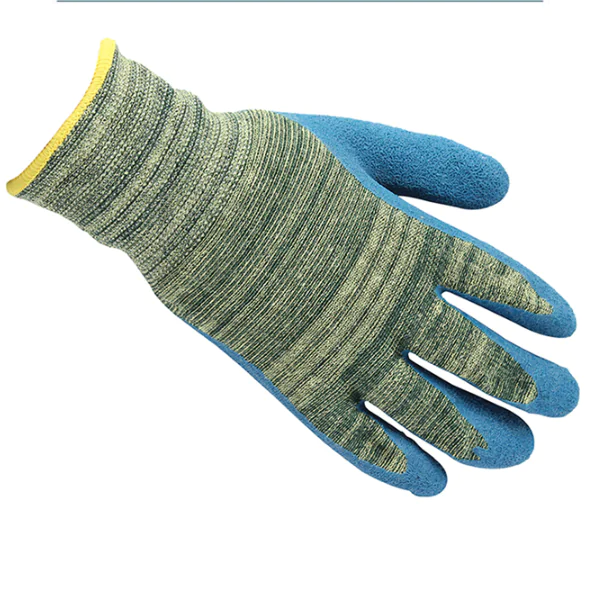
Anti-vibration gloves are based on gauze gloves and leather gloves. A certain thickness of foam plastic, latex and air-laminated synthetic rubber or foam rubber is added to the palm of the glove to absorb vibration. In cold environments, the above materials can also be added to cold-proof gloves to provide anti-vibration effects. If the thickness of the anti-vibration structural layer must not exceed 7mm, certain attenuation values should be achieved for vibrations of different frequencies. Depending on the material, anti-vibration gloves mainly include the following types:
▶ Rubber Gloves
Made of natural rubber or synthetic rubber as the main material, it has very good anti-vibration properties and can effectively absorb vibration and shock.
▶ Leather Gloves
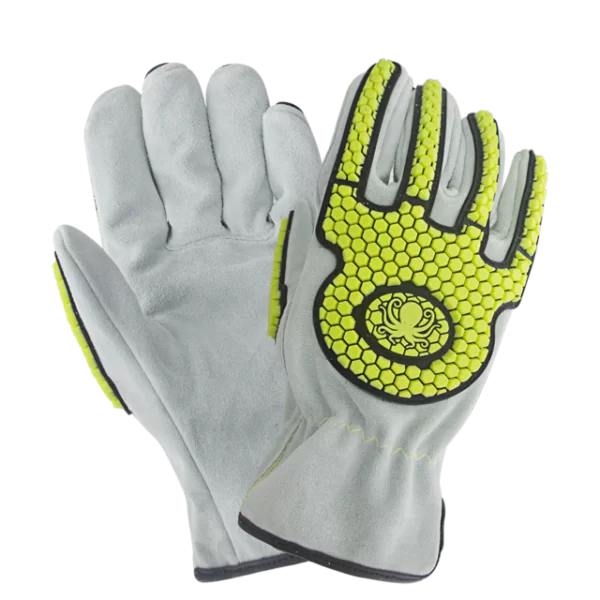
Made of leather, the surface is thickly treated with anti-slip properties, and the interior is filled with vibration-absorbing material, suitable for occasions where palm protection is required.
▶ Bulletproof Fabric Gloves
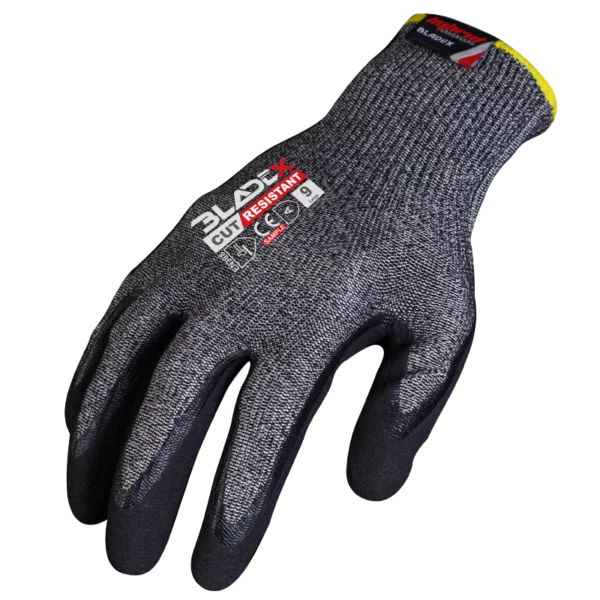
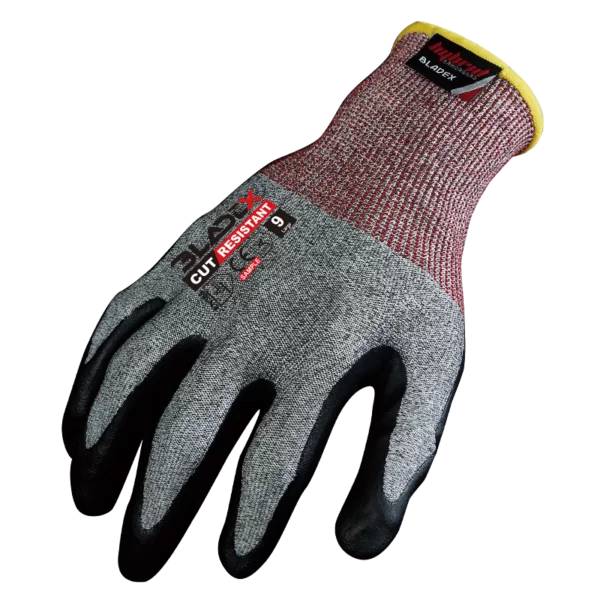
Made of polymer fiber or multi-layer composite materials, it has certain anti-scratch and anti-cut properties, mainly used in machinery and metal processing industries.
▶ PVC Plastic Gloves
Made of PVC plastic or polyester material, it has strong waterproof performance. Usually there is reinforced filling inside to mitigate the effects of vibration.
▶ PU Gloves
Using polyurethane as the main raw material, it has good elasticity and anti-vibration properties after special processing. Widely used in front-line production operations.
▶ Ice Silk Gloves
It is handmade from new ice silk material, with a light and thin appearance and a hollow internal structure. It has excellent vibration absorption performance, suitable for occasions that require lightness.
▶ Aramid Gloves
Reinforced with Aramid fiber, anti-slash and cut, used for workstations that require slash or cut protection.
By selecting different materials, various types of anti-vibration gloves can be provided to meet the needs of different processes and use environments.

No account yet?
Create an Account Hard Hat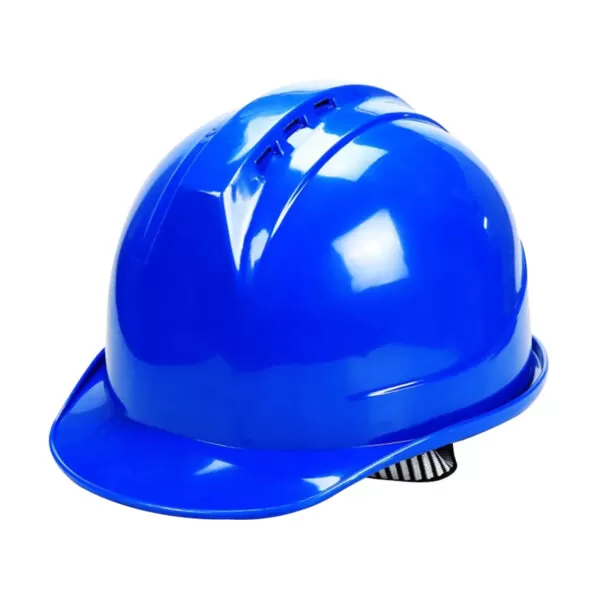






 Face Shiled
  Safety Glasses



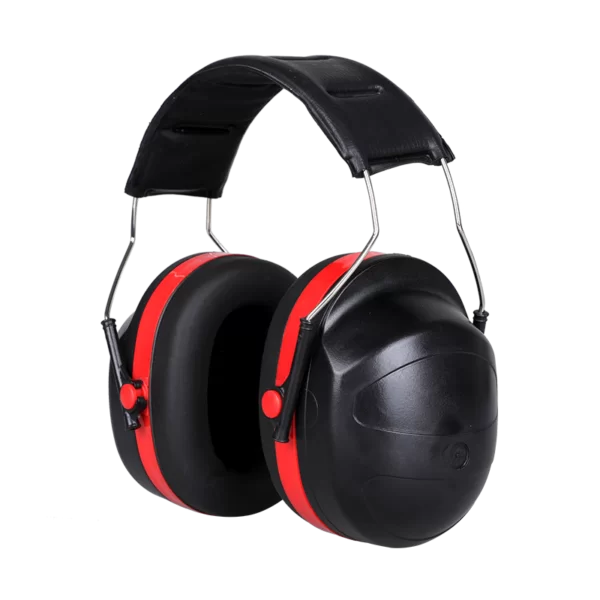
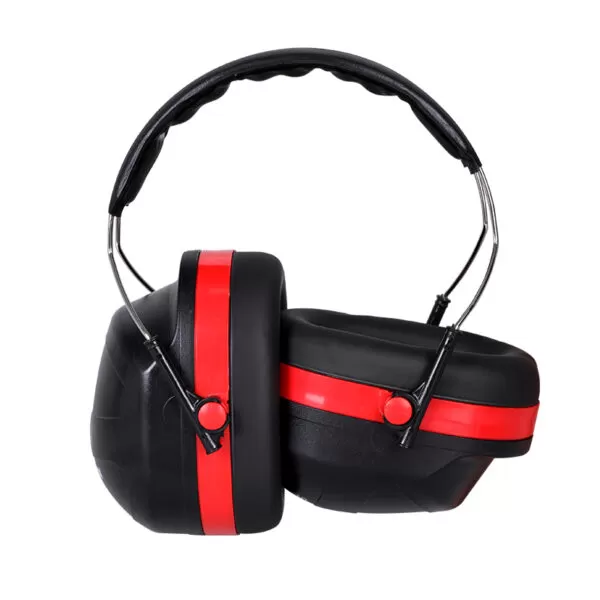
 Earmuffs
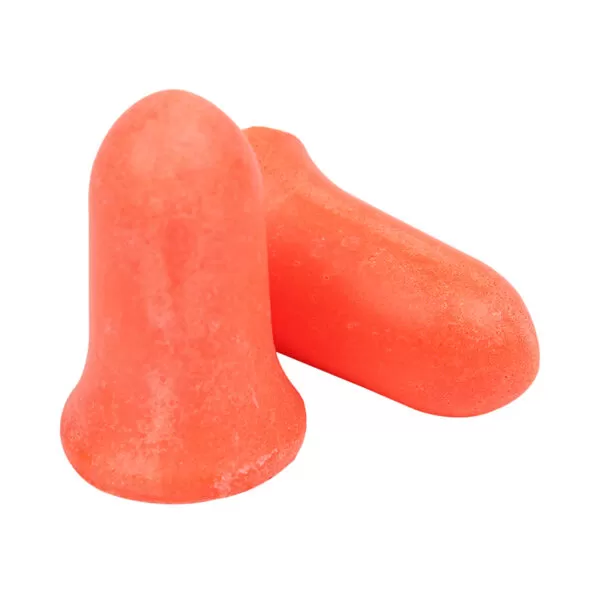
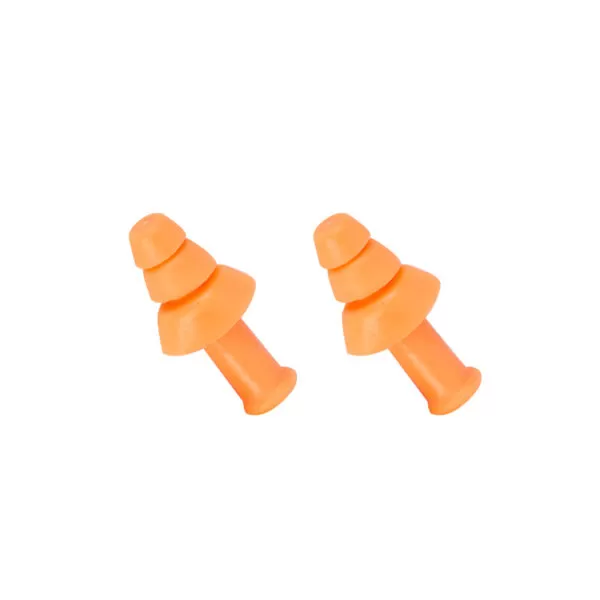
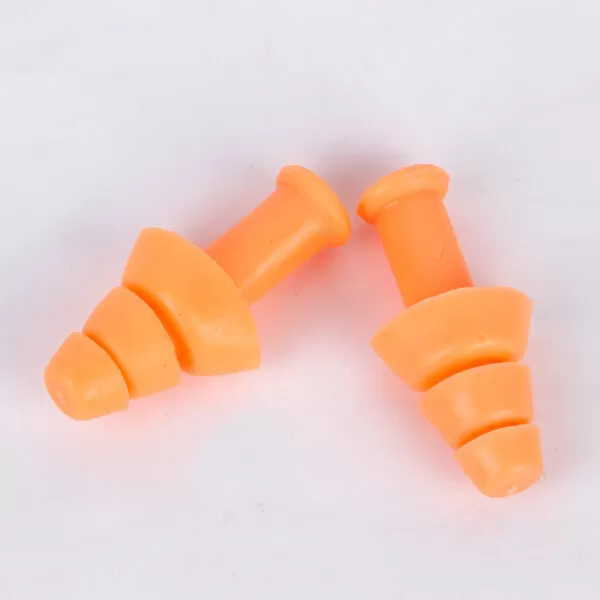
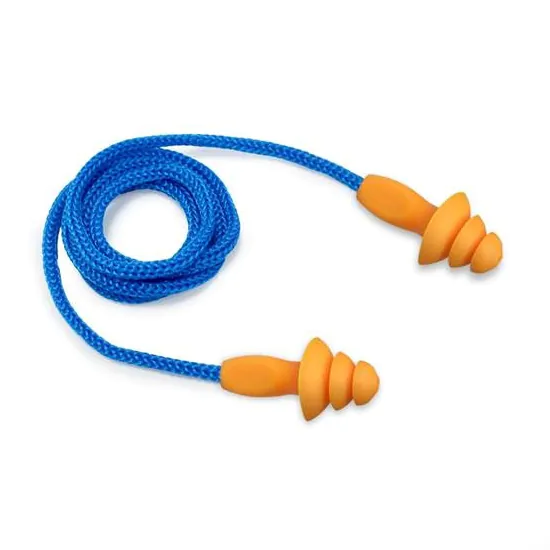
  Earplugs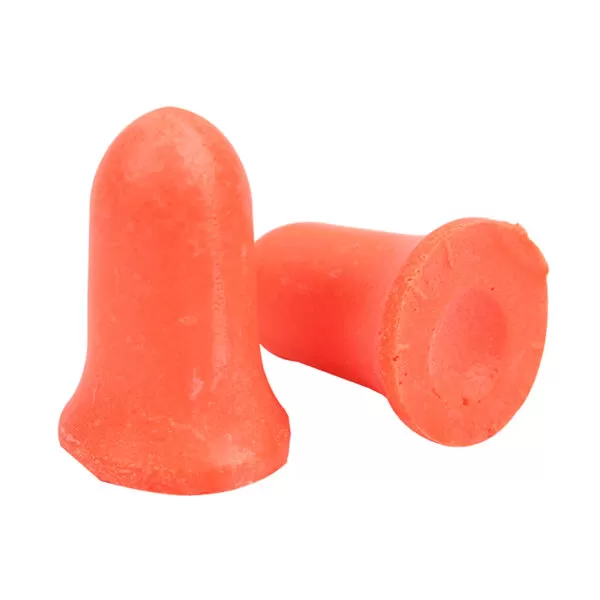

 Rubber Mask
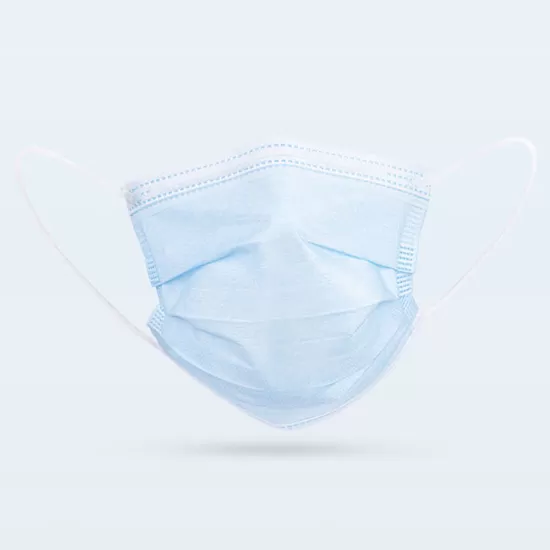
  Mask
Mask 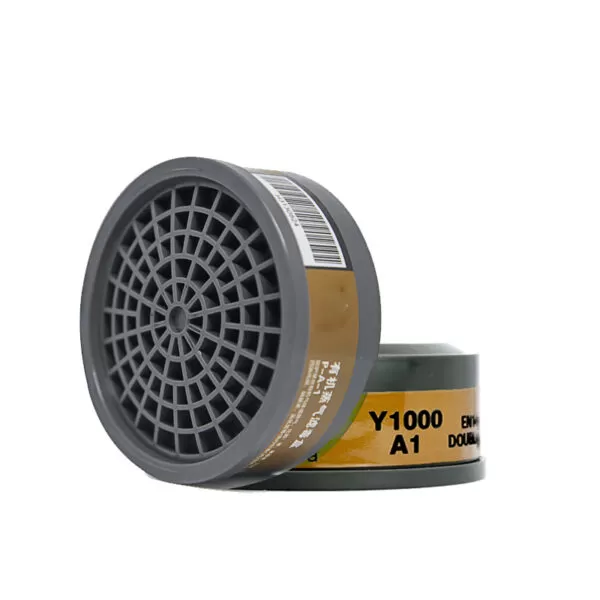

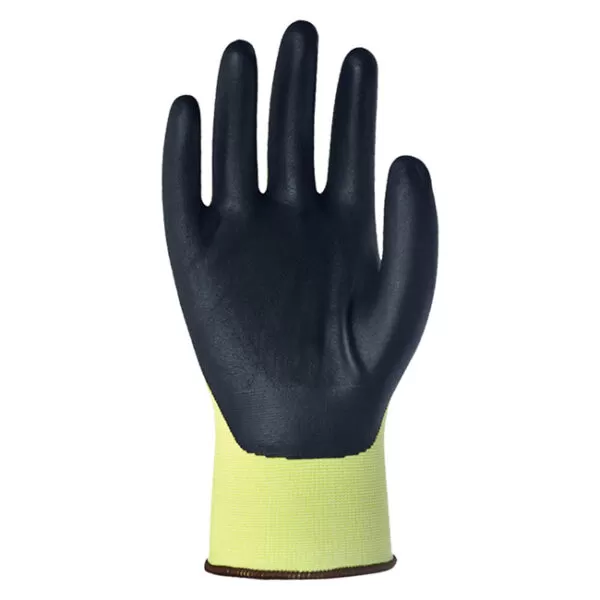
 Work Gloves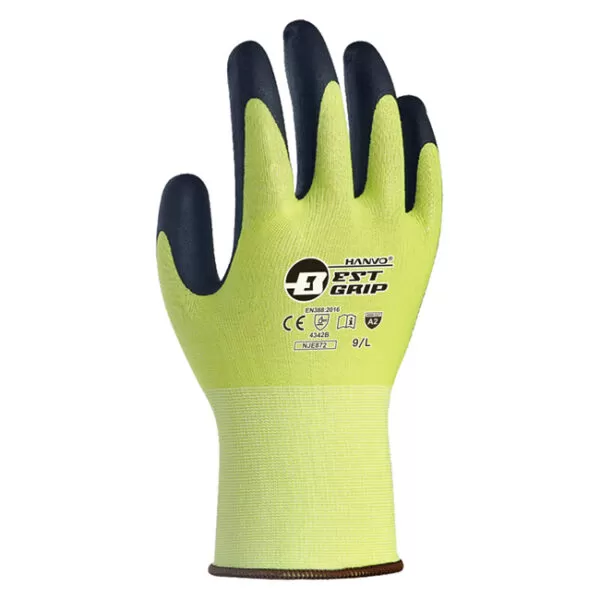

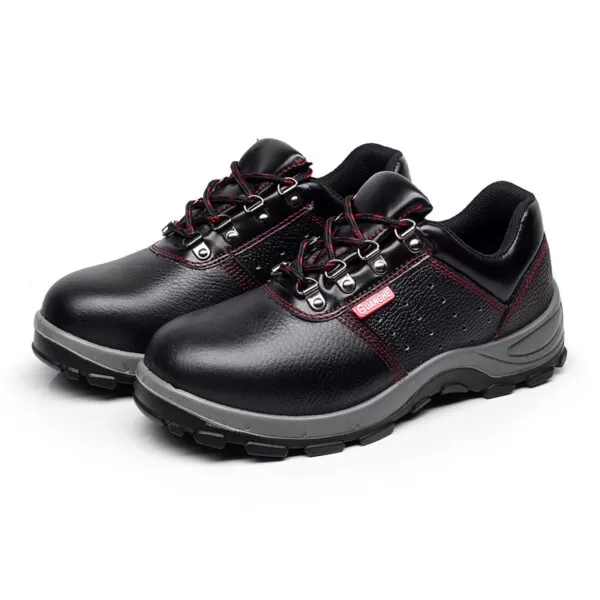
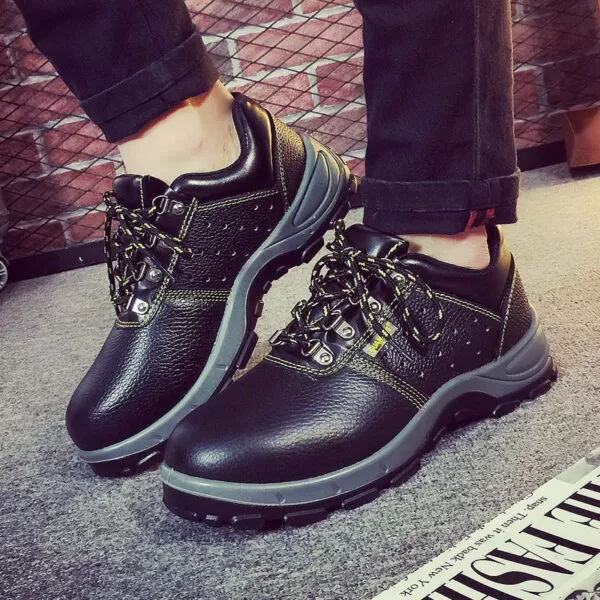
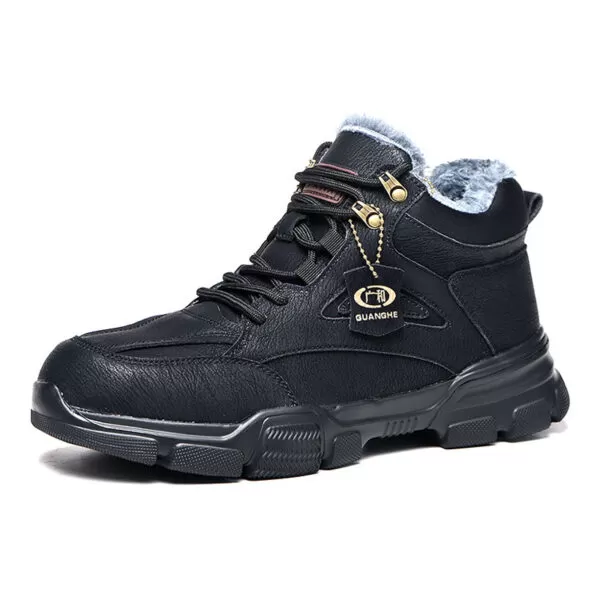
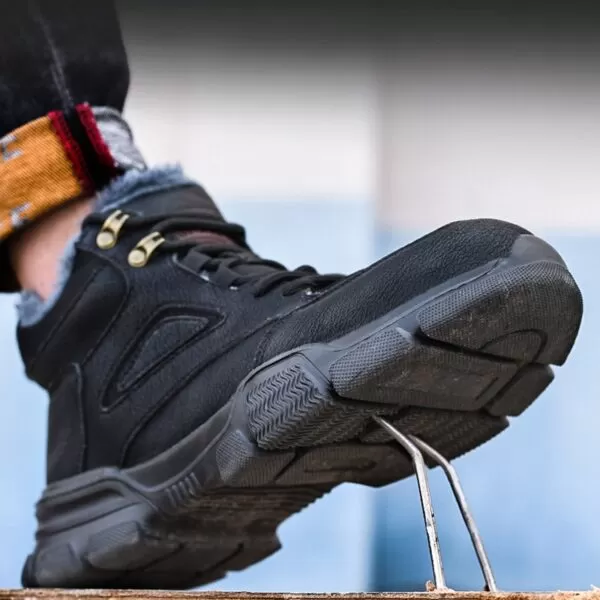
 Safety Shoes

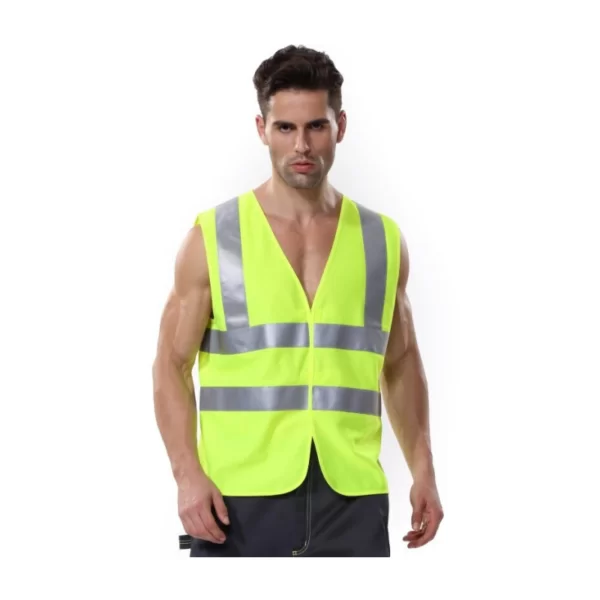
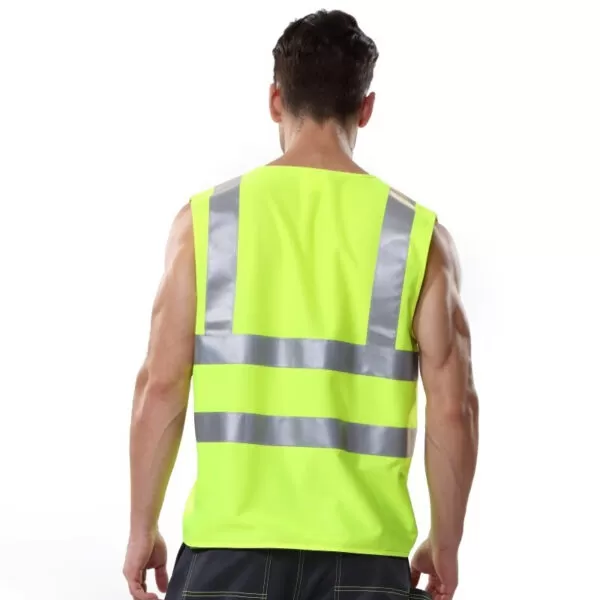
 Reflective Vest
 Safety Belt